(Gentle on the gums and minimizes tooth sensitivity)
Neglecting regular teeth cleaning and allowing tartar to accumulate is one of the leading causes of common oral health problems in Vietnam, including periodontal disease, gingivitis, bleeding gums, tooth decay, bad breath, tooth discoloration, and gum recession. Among these conditions, periodontal disease is the most serious, as it can lead to gum inflammation, gum recession, bone loss, weakened teeth, and ultimately premature tooth loss.
Many people avoid teeth cleaning because they are concerned about pain, sensitivity, enamel wear, or gum injury. These concerns have led to the development of non invasive ultrasonic teeth cleaning technology. Widely used in developed countries, this advanced technique effectively removes plaque and tartar while minimizing discomfort and protecting both the teeth and gum tissues.
Tartar (dental calculus) is hardened plaque that forms when food debris and bacterial deposits remain on the teeth for a long period and become mineralized by calcium carbonate and phosphate naturally found in saliva. While a small amount of tartar is visible on the tooth surface, most accumulates around the tooth roots and below the gum line, where it is difficult to see and can cause the greatest harm.
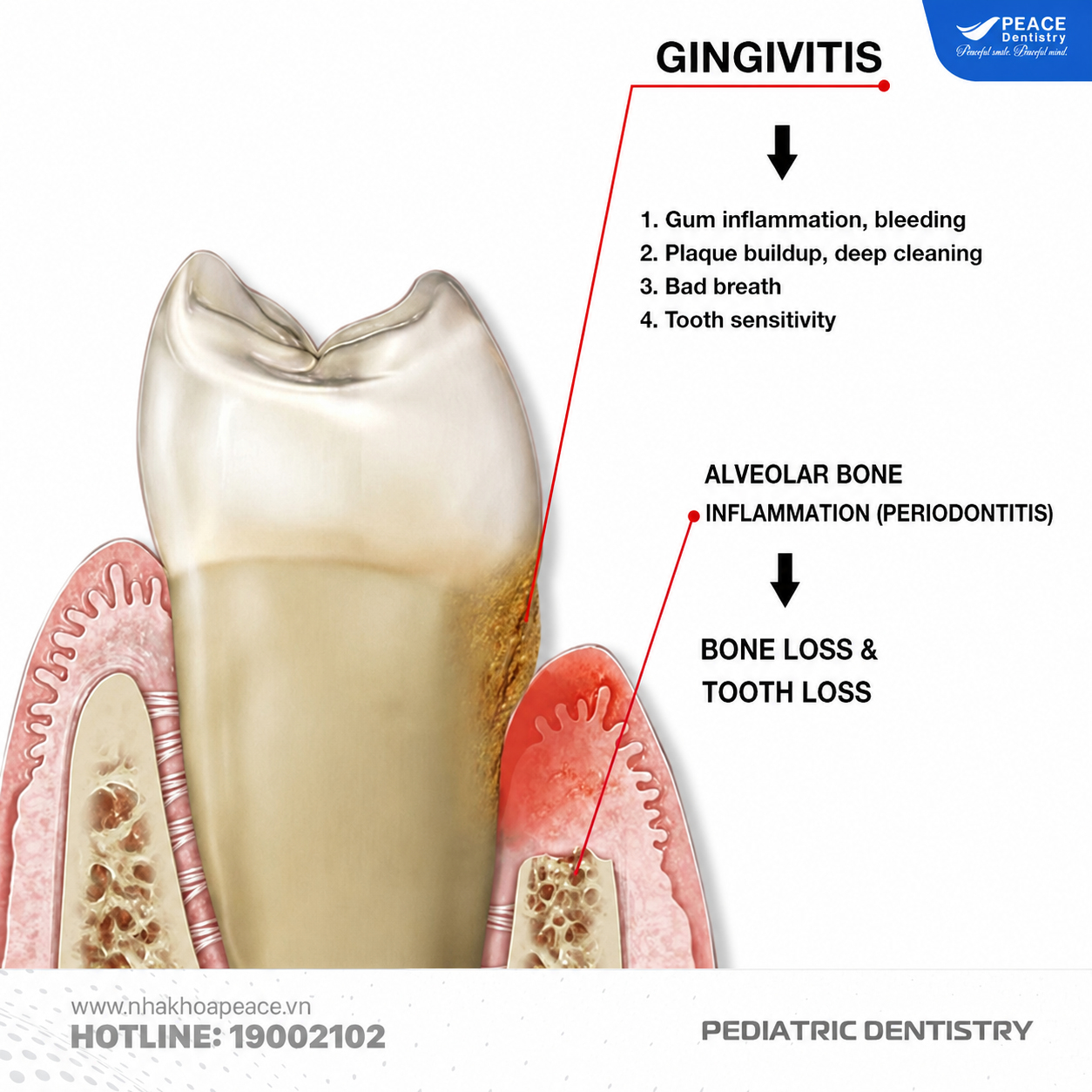
(Tartar can cause more serious oral health problems than most people realize)(**)
Tartar provides an ideal environment for bacteria to accumulate and multiply, leading to conditions such as gingivitis, periodontitis, bad breath, enamel erosion caused by bacterial acids, tooth decay, and tooth decay with pulp infection.
Among these conditions, periodontitis is the most serious. It is a very common disease that can cause gum inflammation, damage to the supporting tissues around the teeth, gum recession, and jawbone loss. As the disease progresses, the teeth become weak, loose, and may eventually be lost prematurely.
Periodontitis caused by tartar buildup has also been associated with an increased risk of other health conditions, including temporal pain, cardiovascular disease, bloodstream infections, diabetes related complications, respiratory diseases, and premature birth with low birth weight.
Before discussing the benefits of ultrasonic teeth cleaning, it is important to understand the limitations of traditional scaling methods.
Traditional teeth cleaning relies on mechanical scraping and friction to remove tartar deposits. As a result, it may have the following drawbacks:
With non invasive ultrasonic teeth cleaning, these limitations are significantly reduced. This is why ultrasonic scaling has become the most widely used teeth cleaning method today. In many developed countries, dental clinics have largely replaced traditional scaling techniques with ultrasonic technology.
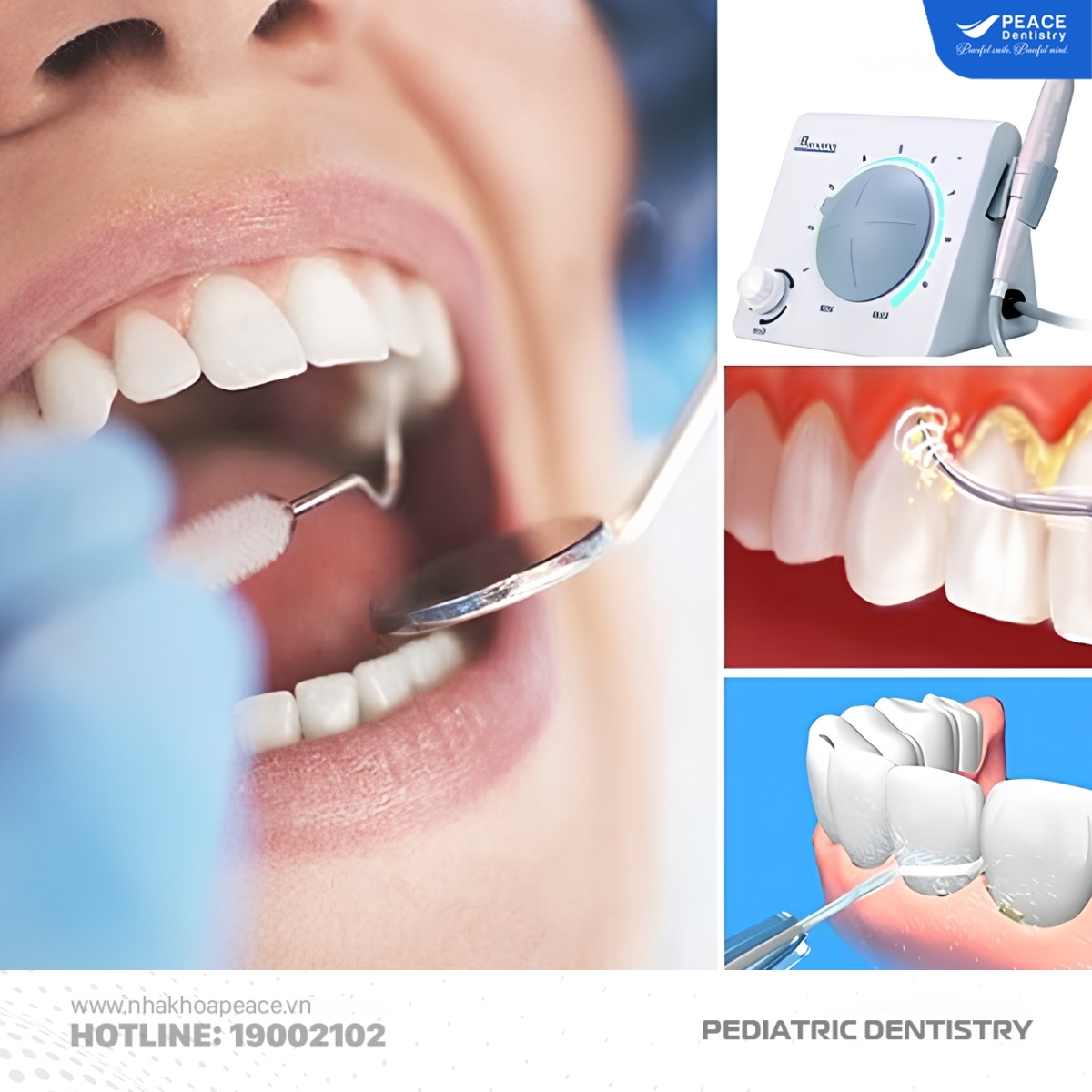
(In developed countries, ultrasonic teeth scaling has completely replaced traditional teeth scaling methods)(**)
Ultrasonic scalers use safe ultrasonic vibrations at approximately 25 kHz with a power range of 10-30 watts to break down tartar deposits and disrupt their attachment to the tooth surface. Water pressure then helps flush away the loosened tartar, including deposits located between teeth and beneath the gum line, without damaging the gum tissue.
At the same time, a suction system continuously removes water, debris, and tartar particles, helping maintain a clean and comfortable treatment environment.
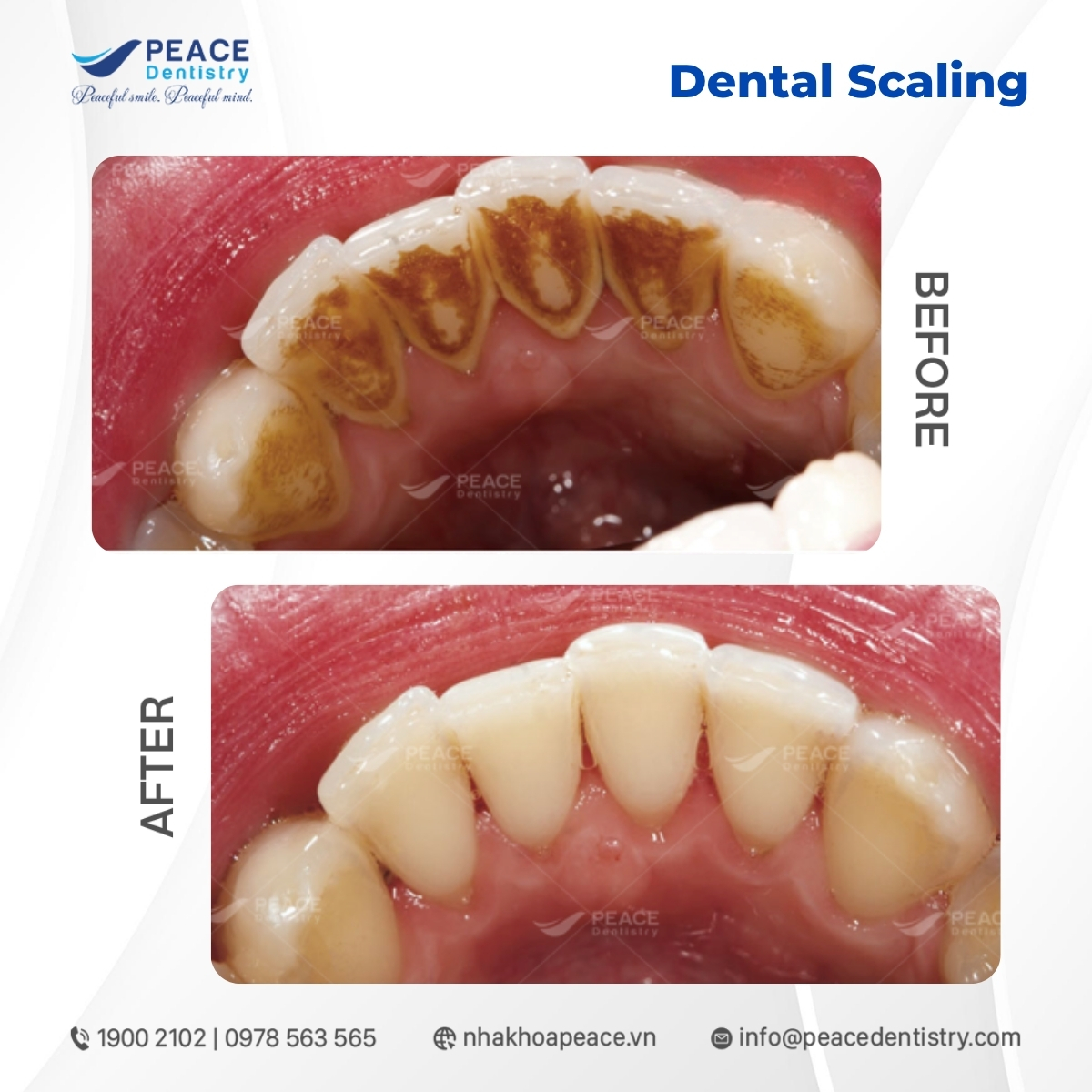
(Tartar can be removed thoroughly without damaging the gums or tooth enamel)(**)
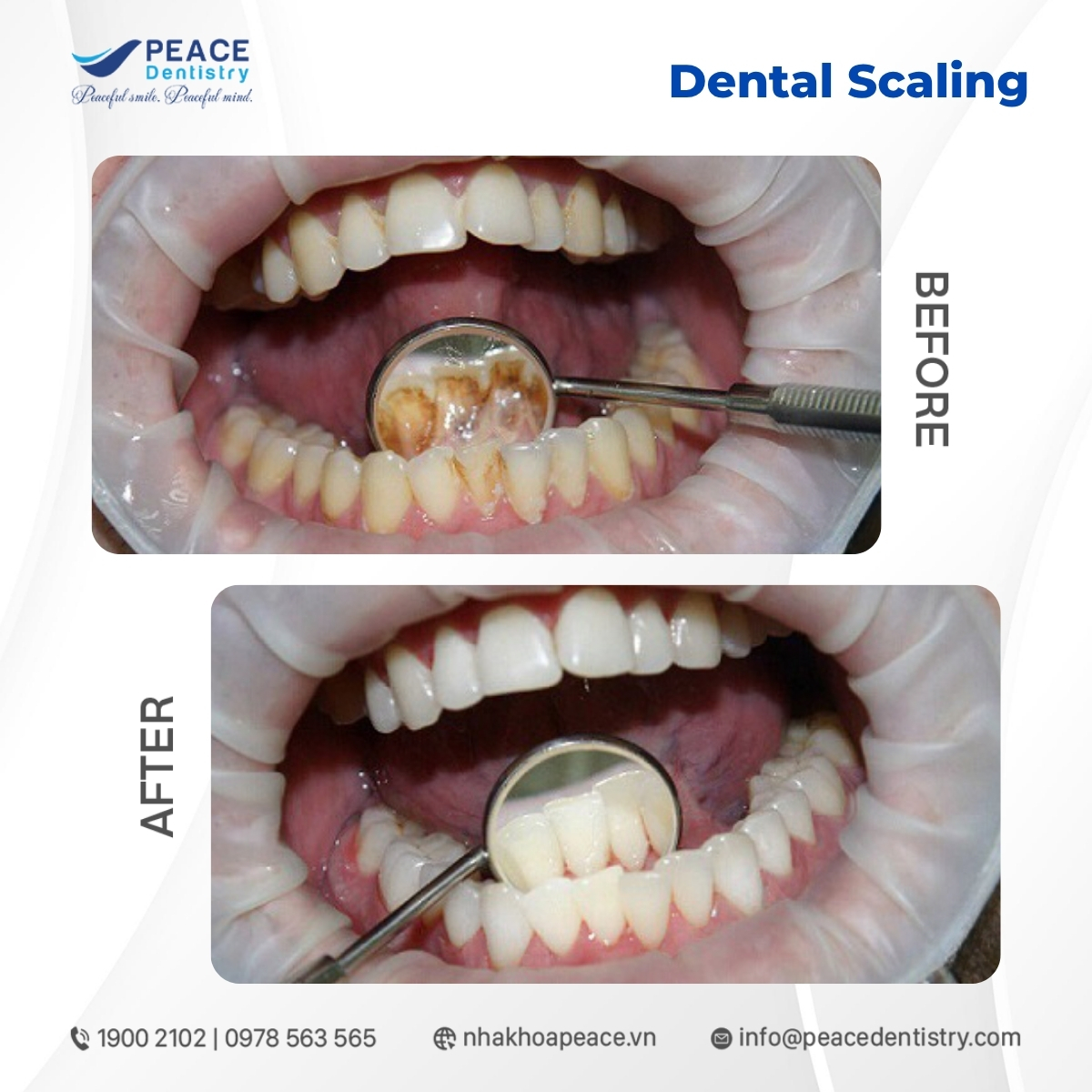
(Ultrasonic teeth cleaning combined with polishing helps remove surface stains, leaving teeth cleaner and brighter)(**)
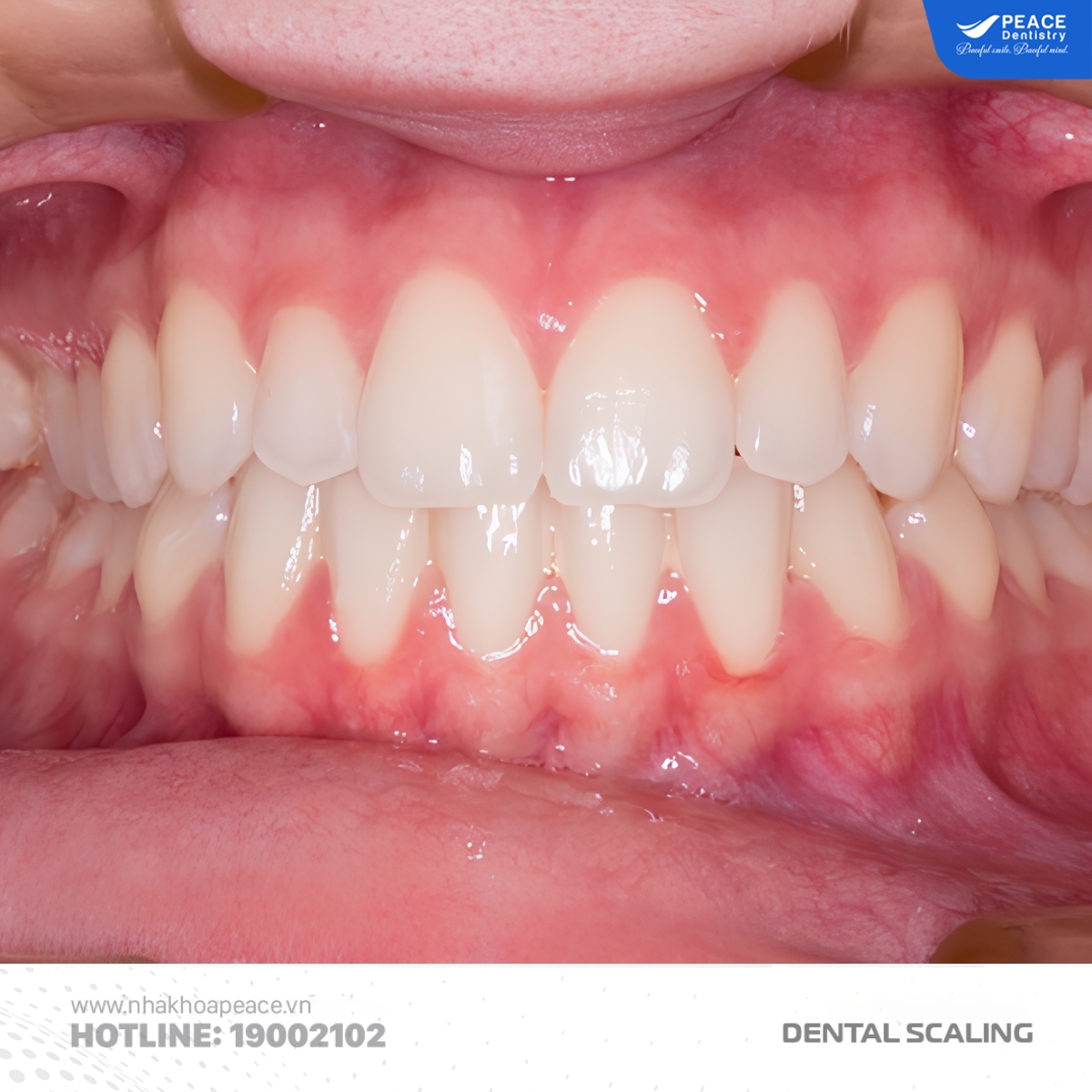
(Because the gums and enamel remain unharmed, tooth sensitivity is minimized and the procedure is generally very comfortable)(**)
Step 1: Thorough Oral Cleaning
Step 2: Ultrasonic Scaling to Break Down Tartar Deposits
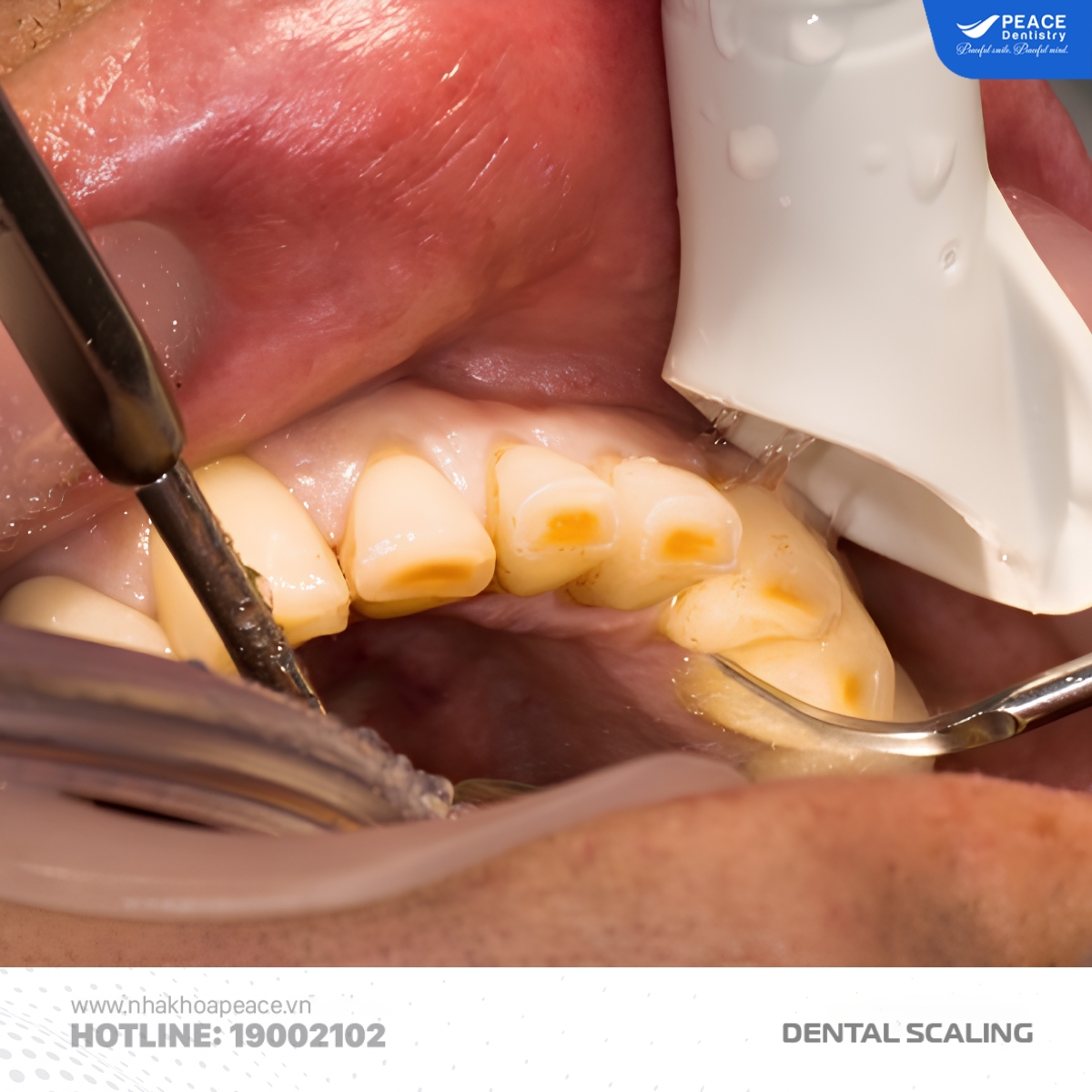
(The ultrasonic tip effectively breaks down tartar deposits on the tooth surface, around the roots, and between the teeth without damaging the gums or enamel)(**)
Step 3: Once the tartar has been broken down and softened, a stream of water is used to flush away the deposits. At the same time, water and tartar particles are continuously removed through a suction system to maximize comfort during treatment.
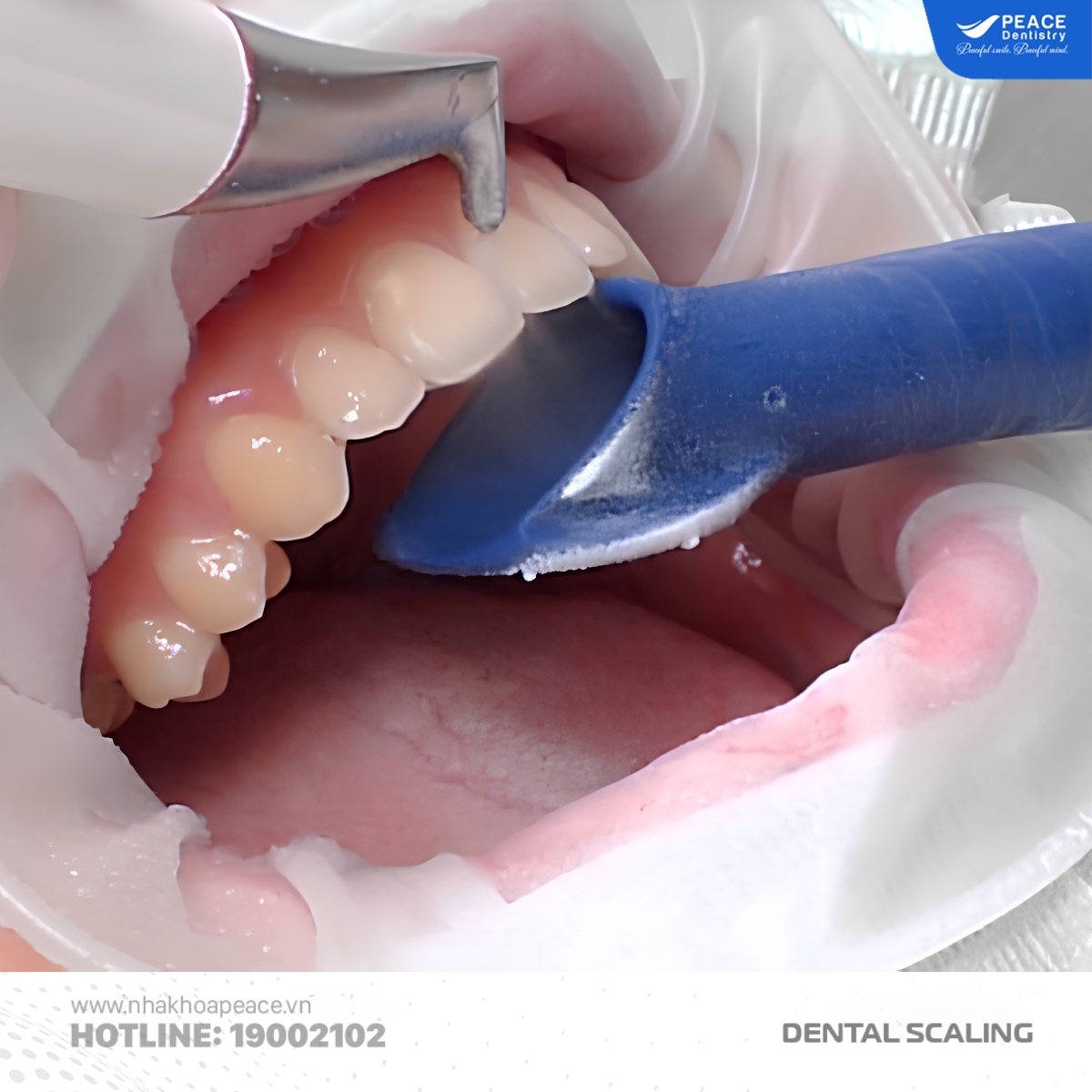
Step 4: Tooth Polishing
The tooth surfaces are polished to help remove remaining surface stains and enhance the natural brightness of the teeth.
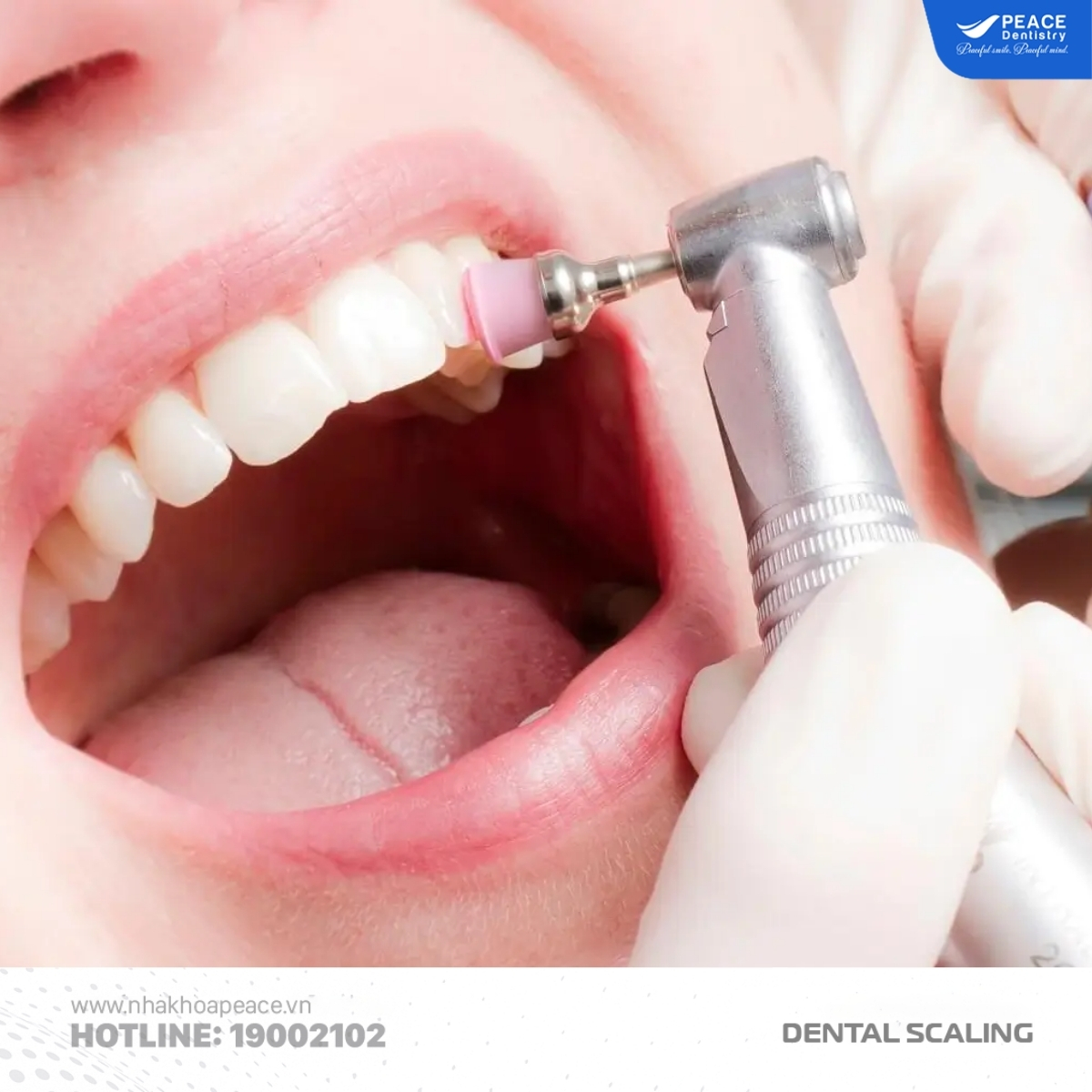
(The tooth surfaces are polished to leave the teeth cleaner, smoother and brighter)(**)
At Peace Dentistry, the package price for ultrasonic teeth cleaning and polishing is 250,000 VND. For routine teeth cleaning, the fee is 150,000 VND.
The service fee includes:
Periodontal Treatment, Teeth Cleaning, and Polishing |
|
| Service | Listed Price (USD) |
| Routine scaling | 6 USD |
| Full-mouth scaling and polishing (Level 1) | 10 USD |
| Full-mouth scaling and polishing (Level 2) | 13 USD |
| Full-mouth scaling and polishing (Level 3) | 21 USD |
| Pocket curettage, periodontal treatment | 19 USD - 46 USD |
Tartar is a hardened deposit composed of calcium carbonate, phosphate, food debris, and minerals found in the oral cavity. It gradually accumulates over time and provides an ideal environment for bacteria to thrive, leading to bad breath, gingivitis, periodontitis, root surface damage, tooth decay, and premature tooth loss.
Professional teeth cleaning is recommended every six months to help prevent oral diseases, maintain healthy teeth, improve breath freshness, and reduce the accumulation of harmful bacteria.
The level of discomfort depends on both the technology used and the clinician’s technique. With ultrasonic teeth cleaning, most patients experience only mild sensitivity, rather than the pain or discomfort commonly associated with traditional scaling methods.
Tartar tends to absorb stains easily, which is why it is often associated with yellow or discolored teeth. Ultrasonic teeth cleaning removes both tartar and surface stains that cannot be effectively eliminated through brushing or whitening products alone. As a result, teeth often appear cleaner and brighter after treatment, except in cases of severe intrinsic discoloration.
Teeth cleaning is a safe and essential preventive procedure that helps protect against many common oral diseases. When performed correctly by a qualified dentist, it does not damage the teeth or oral tissues.
Although teeth cleaning is a relatively simple procedure, it should always be performed by a licensed dentist. Some dental clinics allow dental assistants to perform scaling procedures, which may not comply with healthcare regulations and could increase the risk of discomfort, gum injury, or enamel damage.
For your safety, always confirm that the person providing treatment is a qualified dentist. If you are unsure, do not hesitate to ask for clarification. Choosing a reputable dental clinic is important even for routine teeth cleaning.