
Periodontal disease is an infection and inflammation of the tissues surrounding the tooth roots. As the gums and supporting tissues become infected, they gradually detach from the tooth surface, causing the loss of support around the roots. The infection may also affect the surrounding bone, leading to jawbone loss. If left untreated, periodontal disease can eventually result in loose teeth and tooth loss.
The periodontium is the group of tissues surrounding the tooth roots that support, protect, and stabilize the teeth, helping maintain long-term oral health.

(Illustration of periodontal disease)(**)
Periodontal disease often begins as gingivitis, causing gum swelling, discomfort, and inflammation. As the condition progresses, the following symptoms may become more noticeable:

(A periodontal disease case treated at Peace Dentistry)(**)
Periodontal disease generally progresses through three stages. Depending on the severity of the condition, our dentists will recommend the most appropriate treatment approach.

(The progression of periodontal disease)(**)
This approach is typically recommended for early-stage periodontal disease before significant damage has occurred.
When periodontal disease progresses to a more advanced stage, periodontal pockets may develop and the teeth may begin to loosen. If non-surgical treatment is no longer effective, surgical intervention may be required.
Infected periodontal tissues are carefully removed, and the gum tissues are reshaped to restore both function and aesthetics.
Emergency periodontal treatment may be necessary when the disease reaches an advanced stage characterized by swollen periodontal pockets, pus formation, severe pain, and significant tooth mobility.
In these situations, patients should seek dental care as soon as possible to prevent tooth loss and stop the infection from spreading to other areas of the mouth.
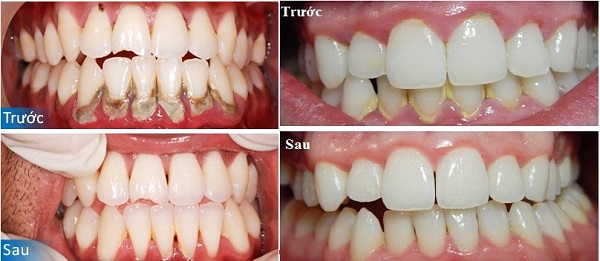
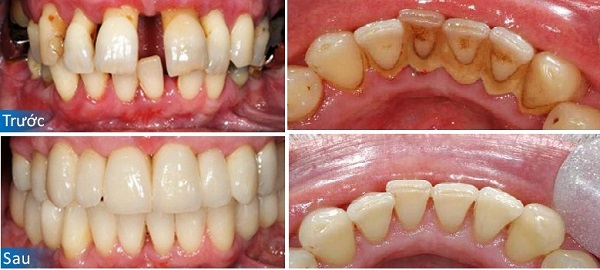
Periodontal disease is one of the most common oral health conditions in Vietnam and is a leading cause of permanent tooth loss when left untreated.
Do not underestimate periodontal disease. If you notice swollen gums, periodontal abscesses, or other signs of infection, avoid self-medicating with antibiotics. Although the swelling may temporarily subside, the underlying bacteria often remain active. Recurrent infections can continue to damage the gums and supporting bone, eventually leading to loose teeth and tooth loss.