
Many parents assume that dental problems in children are not a major concern because baby teeth will eventually be replaced. In reality, oral health issues that develop during the primary dentition stage can have a significant impact on the development and health of permanent teeth later on. Moreover, dental health and smile aesthetics can greatly influence a child’s confidence, well being, and quality of life as they grow into adulthood. Therefore, parents should never underestimate oral health problems in children.
(Signs – Causes – Treatment & Prevention)
(Note: This article is based on professional guidance from the Pediatric Dentistry specialists at Peace Dentistry. It is intended to provide general information about common dental conditions in children. If you would like more detailed advice or a personalized consultation, please contact our Hotline at 1900 2102 for assistance.
1.1. Impact:
Tooth decay occurs when bacteria in dental plaque produce acids that gradually erode the tooth enamel and eventually reach the dental pulp. This can cause toothaches, discomfort, and in some cases, fever. Decay in primary (baby) teeth can also affect the development and eruption of permanent teeth later on.
1.2. Signs and Symptoms:
Dark spots or cavities begin to form on the teeth and gradually enlarge over time. The affected teeth may chip, break apart, or lose a significant portion of their structure. Children may experience frequent toothaches, recurrent gum inflammation, and occasionally fever.
1.3. Causes:
Poor oral hygiene and frequent consumption of sugary foods and drinks.
1.4. Treatment:
Depending on the child’s age and the severity of the decay, treatment options may include monitoring early-stage decay, filling (restoring) decayed primary teeth, or extracting severely damaged primary teeth.
1.5. Prevention:
Help children establish good oral hygiene habits from an early age and limit sugary snacks, candies, and sweets.
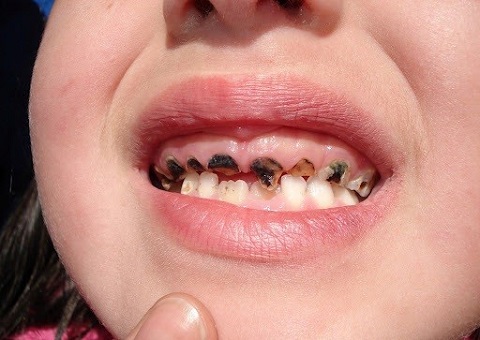
(Tooth decay in primary teeth can affect the eruption and development of permanent teeth in the future)(**)
2.1. Impact:
As affected teeth gradually wear down, the dental pulp may become exposed and the dentin of the primary teeth may be left unprotected. This can cause discomfort and pain while eating or drinking. As a result, children may become irritable, cry more often, and lose their appetite. In addition, severe tooth wear especially in the front teeth not only affects appearance but may also increase the risk of speech difficulties.
More importantly, premature loss of tooth structure can disrupt the normal eruption pattern of permanent teeth, potentially leading to misalignment and other orthodontic problems in the future.
2.2. Signs and Symptoms:
Tooth wear can present in varying degrees of severity. Teeth may gradually wear down toward the gum line, from the biting edges, side surfaces or the cervical area near the gums. Over time, the teeth may become chipped, fractured, darkened and progressively deteriorate until only the roots remain close to the gum tissue.
2.3. Causes:
Inadequate oral hygiene and poor dietary habits are the primary causes. Frequent consumption of sugary foods and carbohydrates throughout the day without proper cleaning afterward allows bacteria to continuously attack the tooth enamel.
2.4. Treatment:
Depending on the child’s age and the severity of the condition, treatment options may include conservative management to preserve the affected teeth or extraction when the teeth can no longer be restored.
2.5. Prevention:
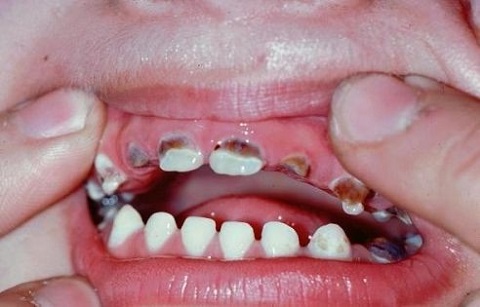
(Tooth wear can cause pain, loss of appetite and may affect the natural eruption of permanent teeth)(**)
3.1. Impact:
Inflamed gums can become swollen, tender, and may bleed easily, causing discomfort that can lead to poor appetite and, in some cases, fever. If left untreated, gingivitis may progress and negatively affect the supporting structures of the teeth, potentially impacting a child’s oral health, physical development, and smile aesthetics in the future.
3.2. Signs and Symptoms:
The gums appear swollen, red, and inflamed. In more severe cases, pus formation may occur and can be accompanied by fever.
3.3. Causes:
The most common causes include tooth eruption, plaque accumulation, and trauma to the gum tissues.
3.4. Treatment:
When a child develops gingivitis, parents should pay close attention to their daily diet and maintain regular dental check-ups. If the condition is severe, recurrent, or does not improve, the child should be examined by a dentist for appropriate treatment. For infants, parents should thoroughly clean and sterilize feeding bottles, nipples, and pacifiers after each use. Routine dental examinations every six months are also recommended to help monitor and maintain oral health.
3.5. Prevention:
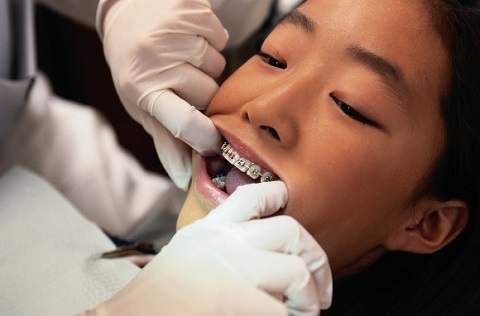
(Misaligned teeth can significantly affect a child’s smile aesthetics and quality of life in adulthood. Early orthodontic intervention offers better outcomes and can help reduce future treatment costs)(**)
4.1. Impact:
This is a common concern that can have long term effects on both dental aesthetics and oral health. Children may develop various alignment problems, including crowded teeth, prominent canines, protruding teeth, misaligned teeth, overbite, underbite, or uneven tooth sizes. If left untreated, these conditions can affect chewing function, speech, facial harmony, and self-confidence later in life.
4.2. Signs and Symptoms:
4.3. Causes: Common causes include
4.4. Treatment:
Children should be evaluated by qualified orthodontic specialists to determine the most appropriate treatment plan.
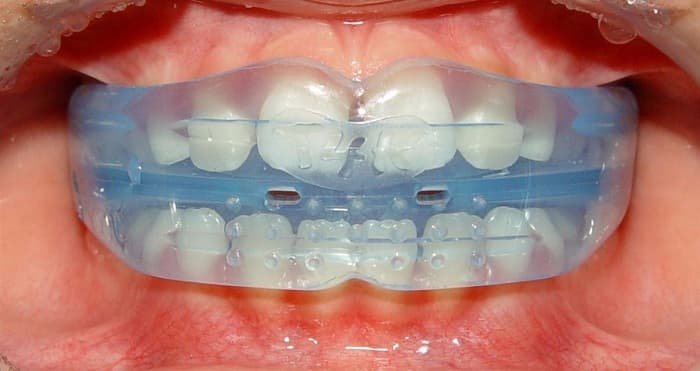
(The Trainer appliance is an effective orthodontic solution for children in the primary or mixed dentition stage and is typically worn during specific periods throughout the day)(**)
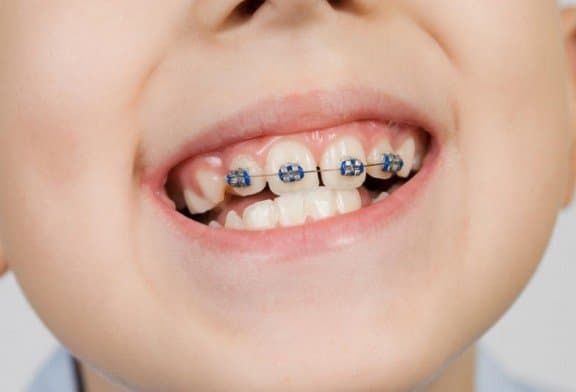
(Orthodontic treatment with braces during the early teenage years when the permanent teeth have fully or nearly fully erupted, typically between ages 11 and 17 can provide excellent treatment outcomes)(**)
4.5. Prevention:
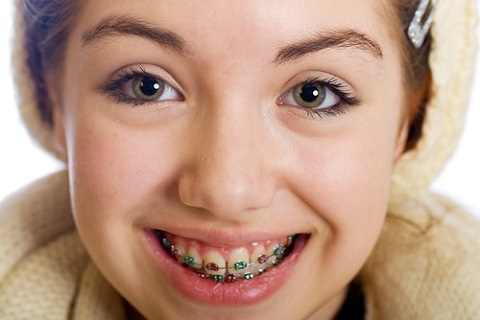
(Early orthodontic treatment for spaced teeth can provide more effective results and help reduce future treatment costs)(**)
5.1. Signs and Symptoms:
Noticeable gaps between teeth, particularly between the upper front teeth.
5.2. Causes:
Spaced teeth in children may result from one or more of the following factors:
5.3. Treatment:
Similar to other orthodontic concerns, parents should bring their child to a dental clinic for examination, monitoring, and early orthodontic evaluation. Timely intervention can help guide proper tooth eruption and jaw development, improving both function and aesthetics as the child grows.
6.1. Impact:
A fractured tooth can lead to pulp inflammation, gradual tooth breakdown, premature tooth loss, difficulty eating, and may affect the eruption of permanent teeth.
6.2. Signs and Symptoms:
A chipped, cracked, or broken tooth. The child may experience pain, sensitivity, or discomfort when eating.
6.3. Causes:
Dental trauma during play or daily activities. In some cases, weak teeth caused by calcium deficiency or enamel hypoplasia may be more susceptible to fracture.
6.4. Treatment:
Depending on the severity, treatment may include restoring the fractured tooth with a filling or performing pulp therapy if the pulp has been affected.
6.5. Prevention:
Ensure your child receives adequate calcium and proper nutrition. Supervise children during play and physical activities to help prevent dental injuries.
7.1. Impact:
Enamel hypoplasia can increase the risk of tooth decay, tooth fractures, and premature tooth loss.
7.2. Signs and Symptoms:
The teeth may appear rough, uneven, yellowish-gray in color, and become weak, brittle, or prone to chipping and fracture.
7.3. Causes:
Tooth enamel is primarily formed from calcium and fluoride. During tooth development, these minerals are incorporated into the tooth structure to create strong enamel. Fluoride is also continuously supplied from external sources such as toothpaste, mouthwash, and drinking water.
A deficiency or imbalance of calcium and fluoride may lead to enamel hypoplasia. Common causes include inadequate calcium and fluoride intake during pregnancy, poor oral hygiene habits, enamel wear caused by improper brushing techniques, and insufficient fluoride supplementation during childhood.
7.4. Treatment:
Treatment may include calcium supplementation and restorative fillings, depending on the severity of the enamel defect.
7.5. Prevention:
Mothers should maintain adequate nutrition during pregnancy, especially sufficient calcium and fluoride intake. Children should also receive proper calcium and fluoride supplementation throughout their developmental years.
We hope this article has provided you with valuable information about common dental conditions in children. If you would like personalized advice or a more detailed consultation, please send a message to the Peace Dentistry Facebook page or call our hotline at 1900 2102. Our dentists will be happy to provide professional guidance and answer any questions you may have.