Tooth decay is far more serious than many people realize. In Vietnam, it is one of the leading causes of persistent toothaches, bad breath, pulp infection, dental abscesses, tooth fractures, and most importantly, premature tooth loss.
So, how dangerous is tooth decay? Are traditional remedies truly effective? And what are the most effective solutions for treating tooth decay and restoring damaged teeth?
Tooth decay is a disease caused by bacteria, primarily Streptococcus mutans. These bacteria produce acids that gradually destroy the enamel and dentin layers of the tooth, creating cavities that become progressively larger over time. If left untreated, tooth decay can lead to pulp infection, tooth fractures, and eventually the loss of the entire tooth structure.
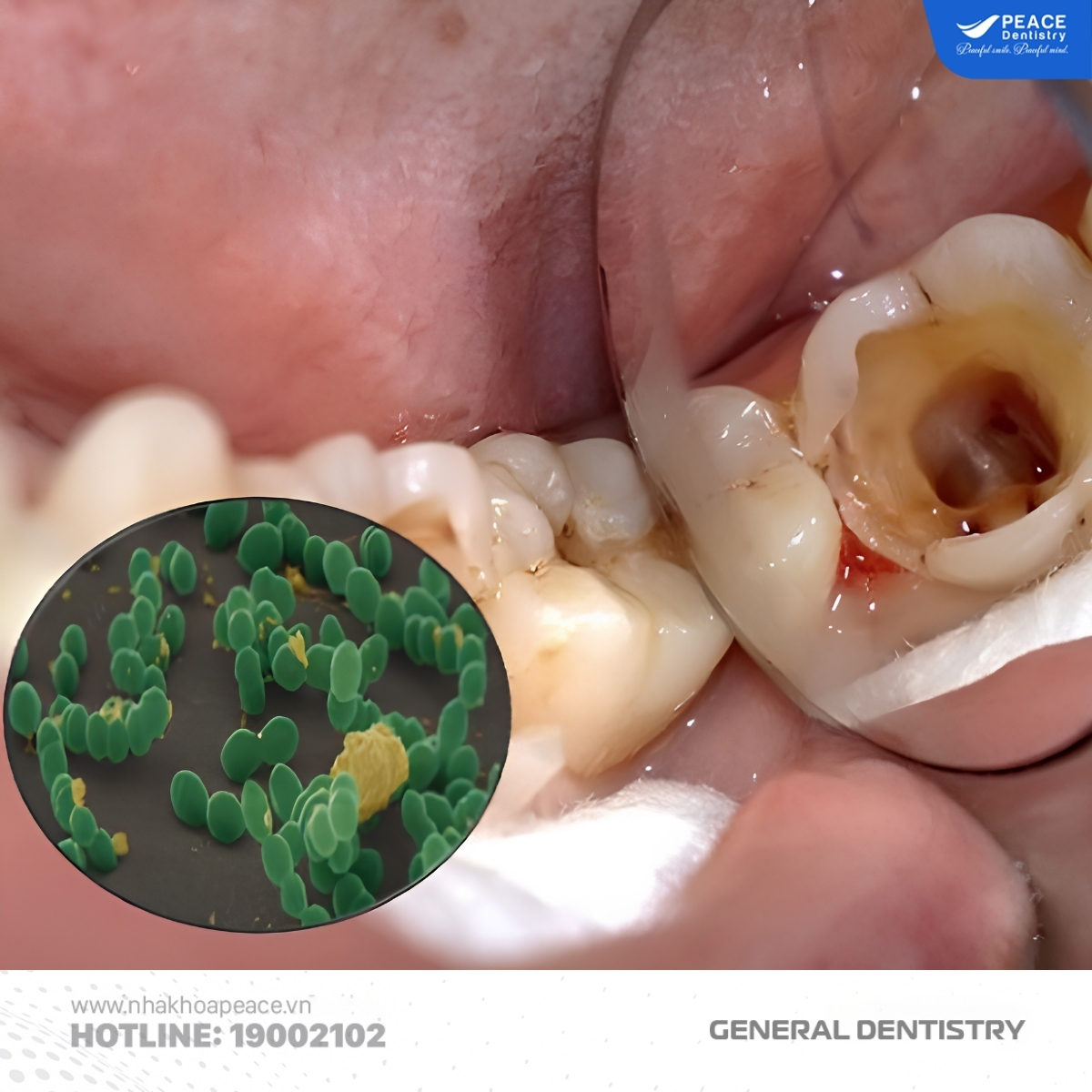
(Tooth decay is a bacterial disease that destroys the structure of the tooth and requires professional treatment)(**)
(1) Persistent and recurring tooth pain: Painkillers may provide temporary relief, but the pain will continue to return unless the root cause is properly treated.
(2) A leading cause of bad breath: Cavities trap food debris, allowing bacteria to break it down and produce unpleasant odors.
(3) Tooth decay can progress to gingivitis, pulp infection, and even a dental abscess: As decay destroys the enamel and dentin, the pulp loses its natural protection. Bacteria can then invade the pulp, causing infection. In more severe cases, a dental abscess may develop.
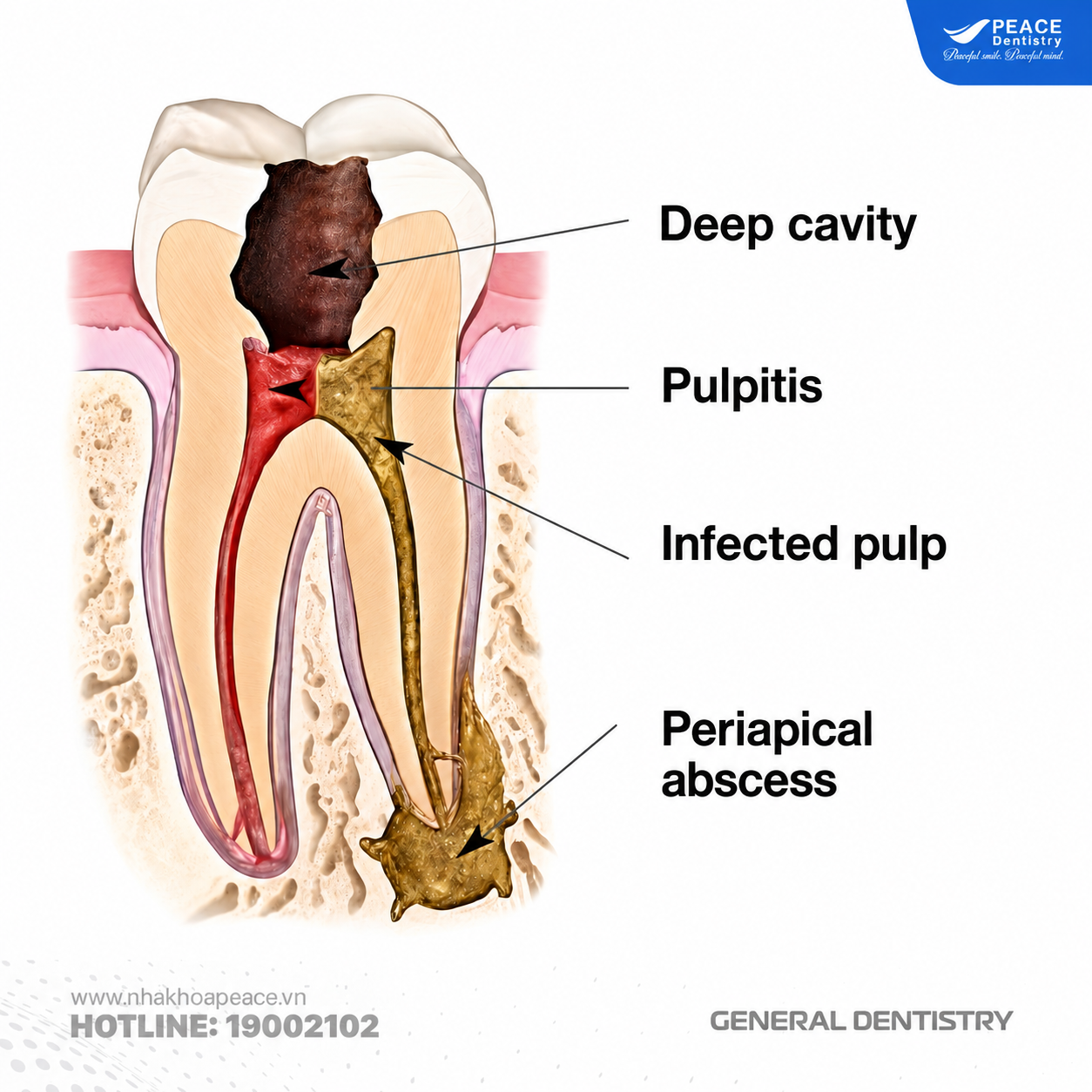
(Molar tooth decay leading to pulp infection and a periapical abscess)(**)
(4) One decayed tooth can increase the risk of decay in other teeth: A cavity serves as a reservoir for bacteria, increasing the likelihood of decay spreading to adjacent teeth.
(5) Tooth decay is one of the leading causes of premature tooth loss in Vietnam.
(6) Increased risk of health problems: Harmful oral bacteria associated with tooth decay may contribute to diabetes, digestive disorders, pregnancy complications, cardiovascular disease, and oral cancer.
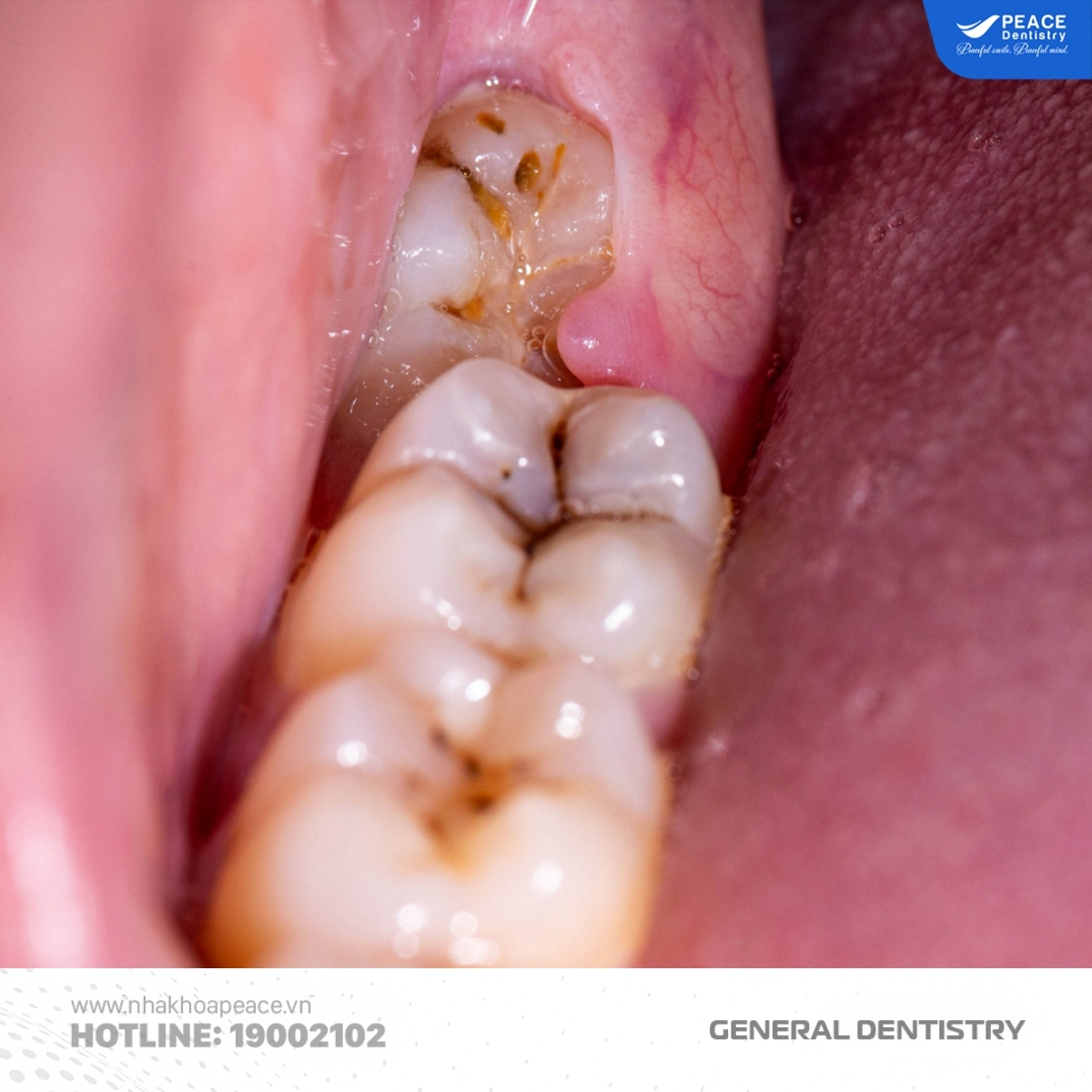
(Tooth decay is one of the leading causes of gum inflammation)(**)
Home remedies and pain medications may provide temporary relief, but they do not eliminate tooth decay. The cavity remains in place and continues to serve as a breeding ground for bacteria, allowing the disease to progress.
In other words, home remedies and painkillers cannot address the root cause of tooth decay. Effective treatment requires eliminating the decay and sealing the damaged area to prevent bacteria from re entering.
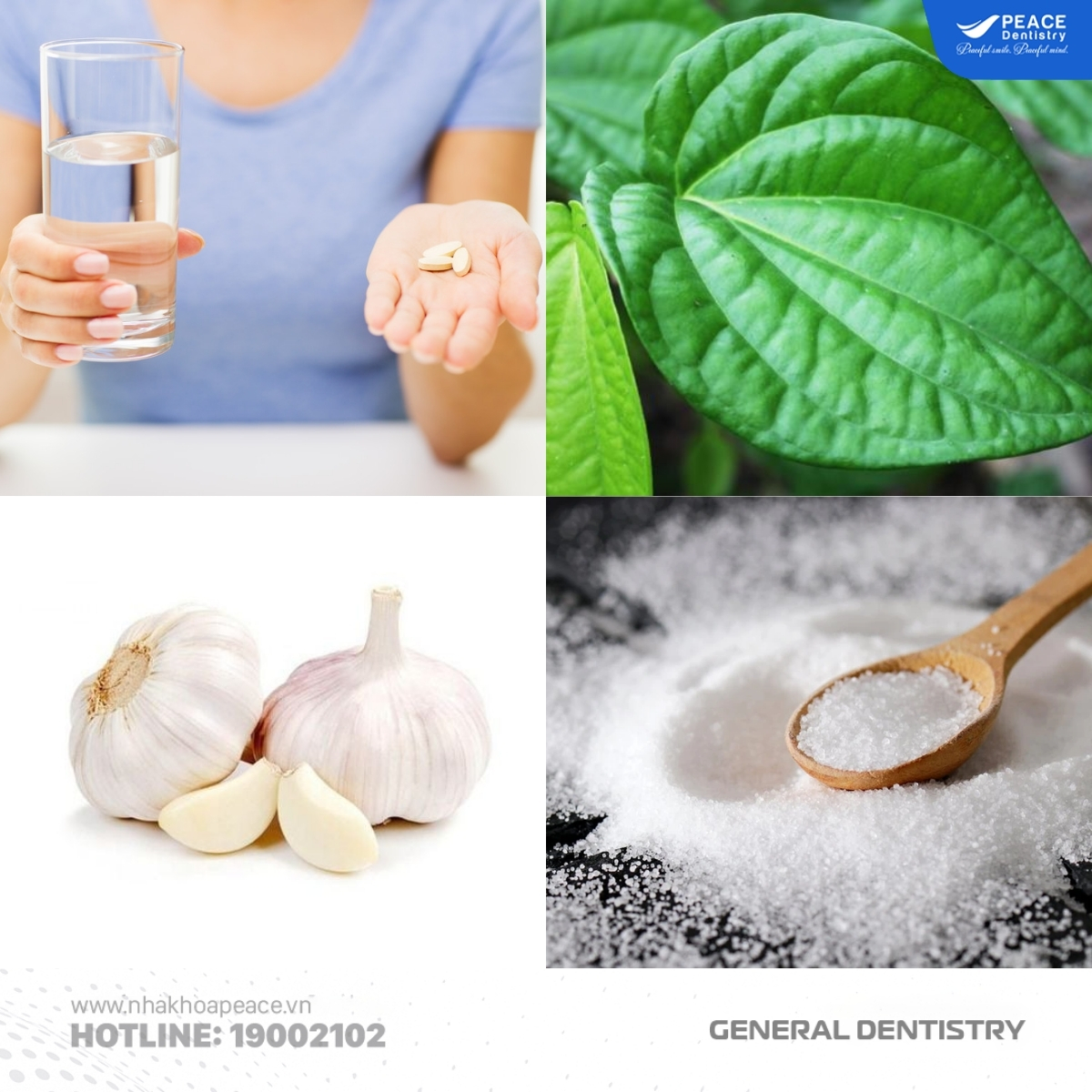
(Home remedies and pain medications only provide temporary relief and do not eliminate tooth decay)(**)
To successfully treat tooth decay, bacteria must be removed from the affected area and the tooth must be restored to prevent further bacterial accumulation.
At Peace Dentistry, four advanced treatment options are available.
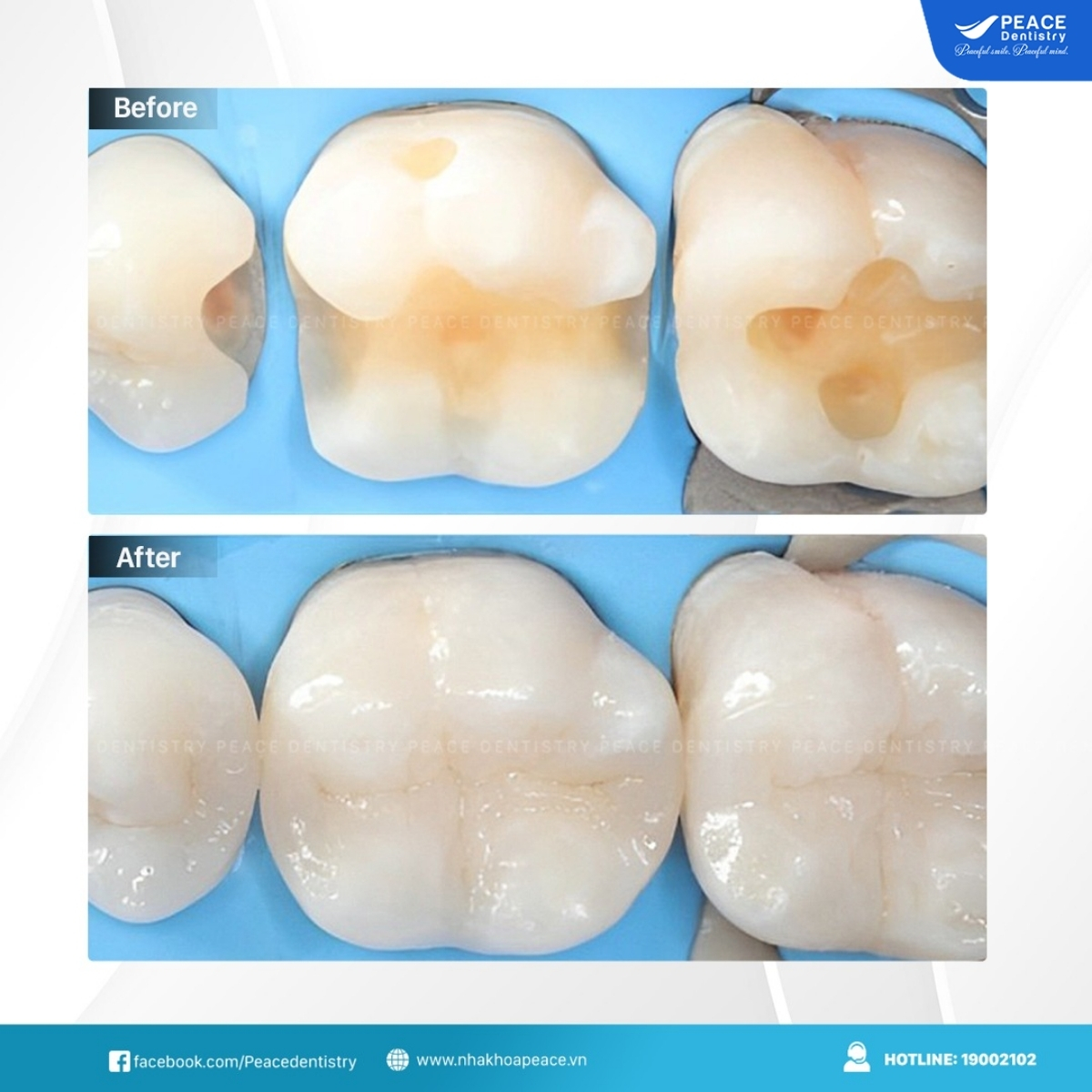
After thoroughly cleaning the affected area, the dentist restores the tooth using tooth-colored composite material. The restoration is shaped to match the natural tooth and hardened with a curing light, restoring function and helping prevent further decay.
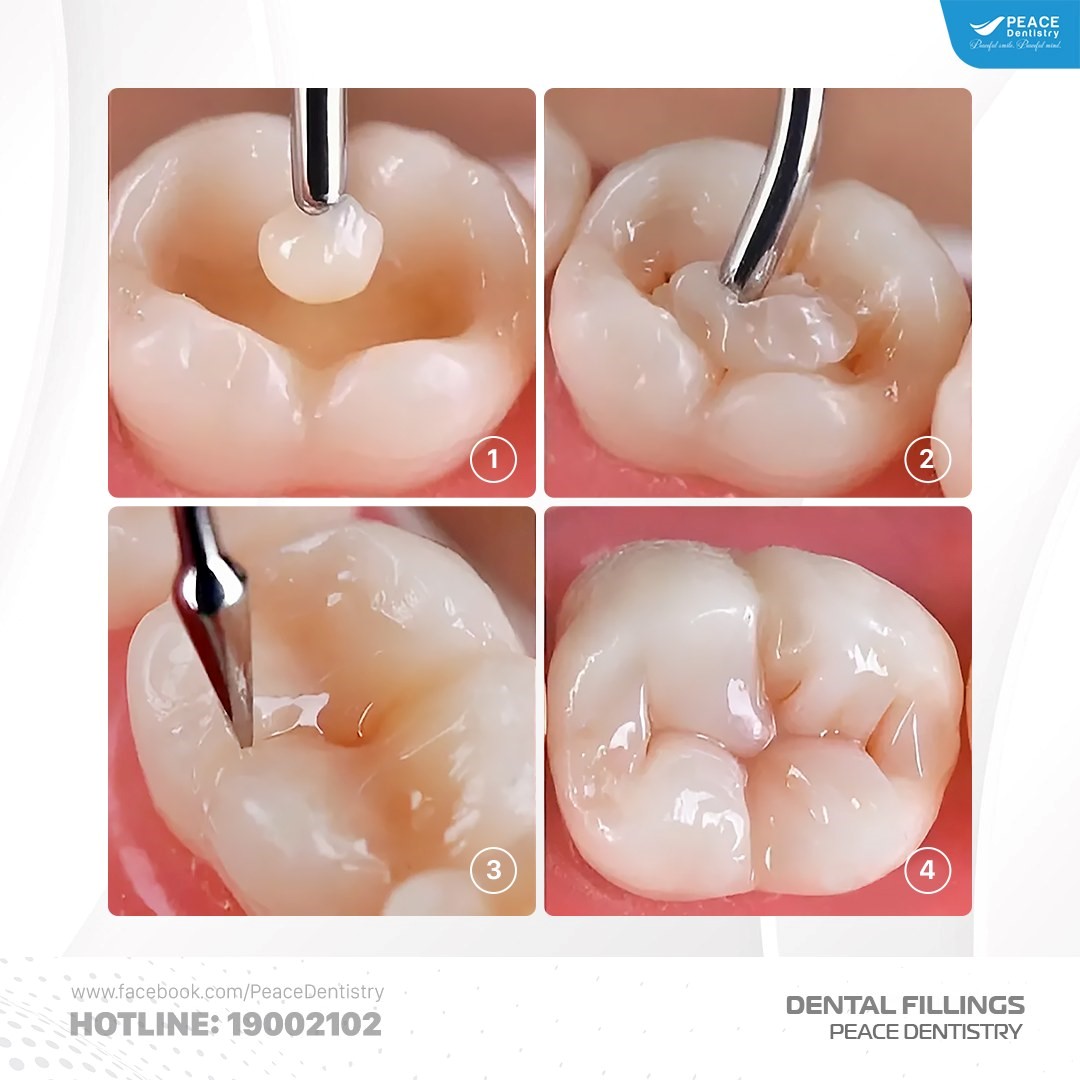
(Before and after cosmetic composite restoration of a decayed tooth)(**)
Limitations: For teeth with extensive structural damage, composite restorations may not provide the most durable long term solution.
Porcelain crowns are often recommended for severely decayed teeth, extensively fractured teeth, or cases where only the tooth root remains.
Key Advantages:
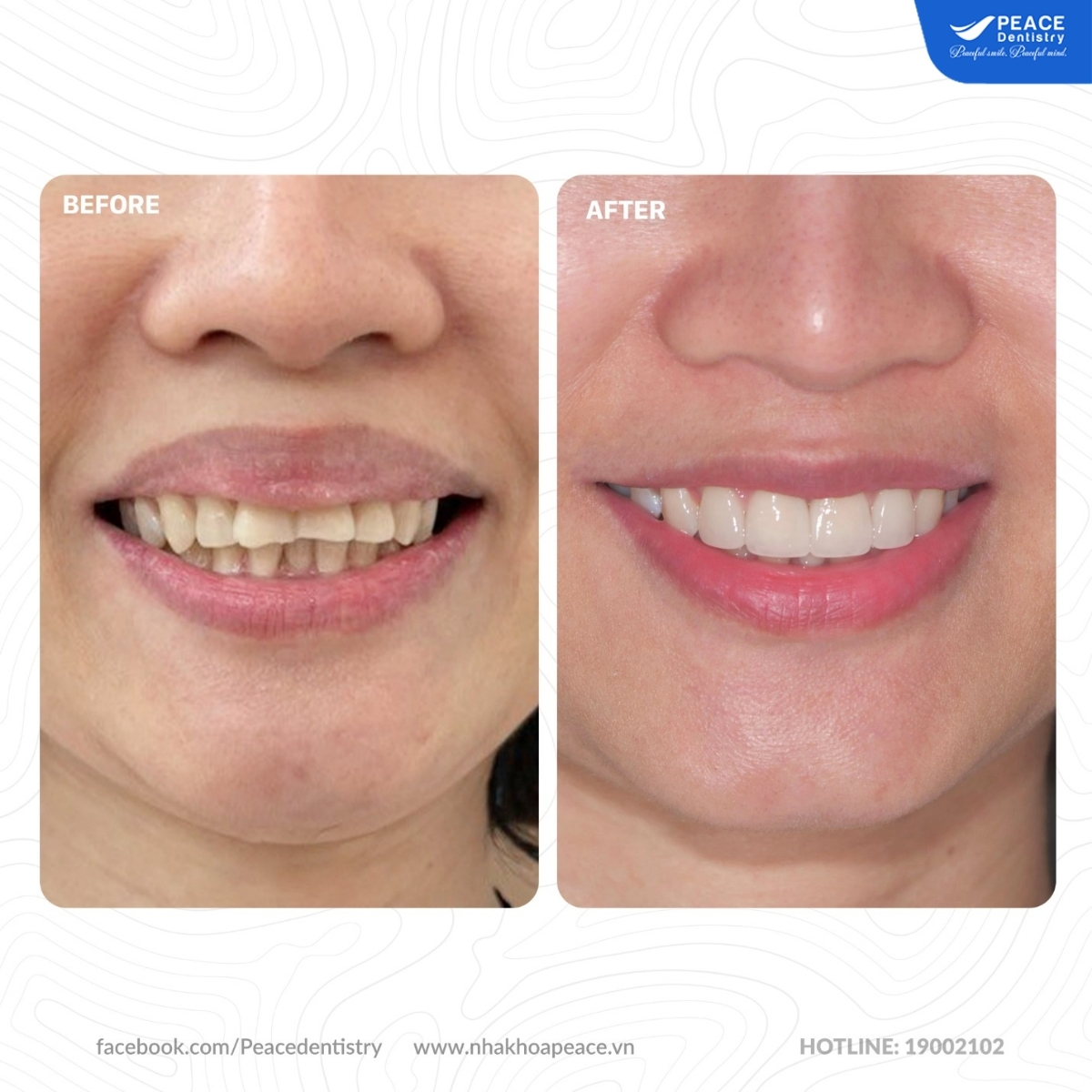
(An effective solution for restoring severely decayed or extensively damaged teeth)(**)
After removing the decay, the damaged portion of the tooth is restored using a custom-made porcelain inlay or onlay. This treatment restores both function and aesthetics while providing excellent durability.
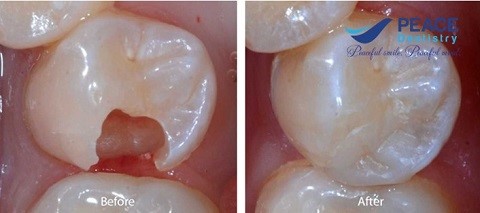
(Porcelain inlays and onlays are ideal for large cavities)(**)
When tooth decay has already progressed to pulp infection, treatment generally involves two stages:
(Treatment process for tooth decay associated with pulp infection at Peace Dentistry)(**)
It is important not to underestimate the impact of tooth decay. Prevention, early diagnosis, and timely treatment remain the most effective ways to protect your oral health and preserve your natural teeth.
We hope this information has helped you better understand tooth decay and the available treatment options. For personalized advice, please send a message to the Peace Dentistry Facebook page or call our hotline at 1900 2102. Our dentists will be happy to assist you.