Dental fillings are one of the most common restorative dental treatments. This procedure helps restore the shape of damaged teeth and maintain proper chewing function. So, when is a dental filling necessary? How much does it cost? What does the treatment process involve? The article below will answer all of these questions.
A dental filling is a procedure in which a dentist uses restorative materials to rebuild damaged tooth structure. The filling material seals and fills the affected area, helping prevent bacterial infiltration and providing better protection for the natural tooth.
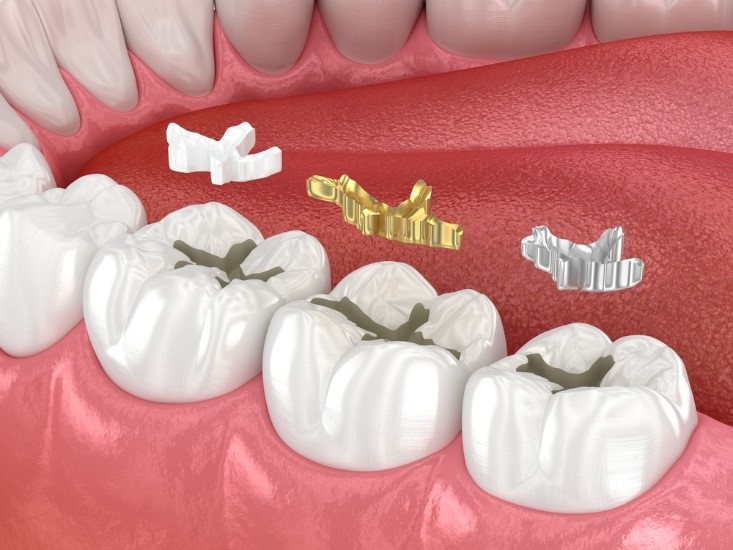
(Dental fillings help preserve natural teeth while remaining highly cost effective)(**)
Your dentist may recommend a dental filling if you have any of the following conditions:
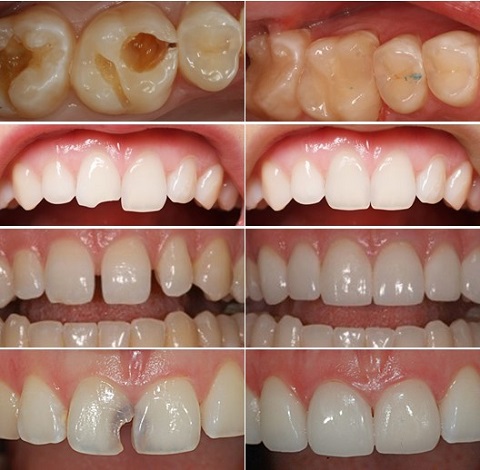
(Tooth decay, fractured teeth, chipped teeth, spacing, and gaps between teeth can be effectively treated with laser assisted dental fillings)(**)
Note: For severe spacing, deep decay involving pulp infection, or extensive tooth fractures, dental fillings may not be the most suitable option. In such cases, porcelain restorations are often recommended to provide greater durability, stronger chewing function, and better long term protection.
There are five commonly used dental filling materials:
Composite is currently the most widely used filling material. It is typically made from glass or quartz particles embedded in a resin matrix. Composite fillings are suitable for restoring small to moderate cavities, chips, and fractures.
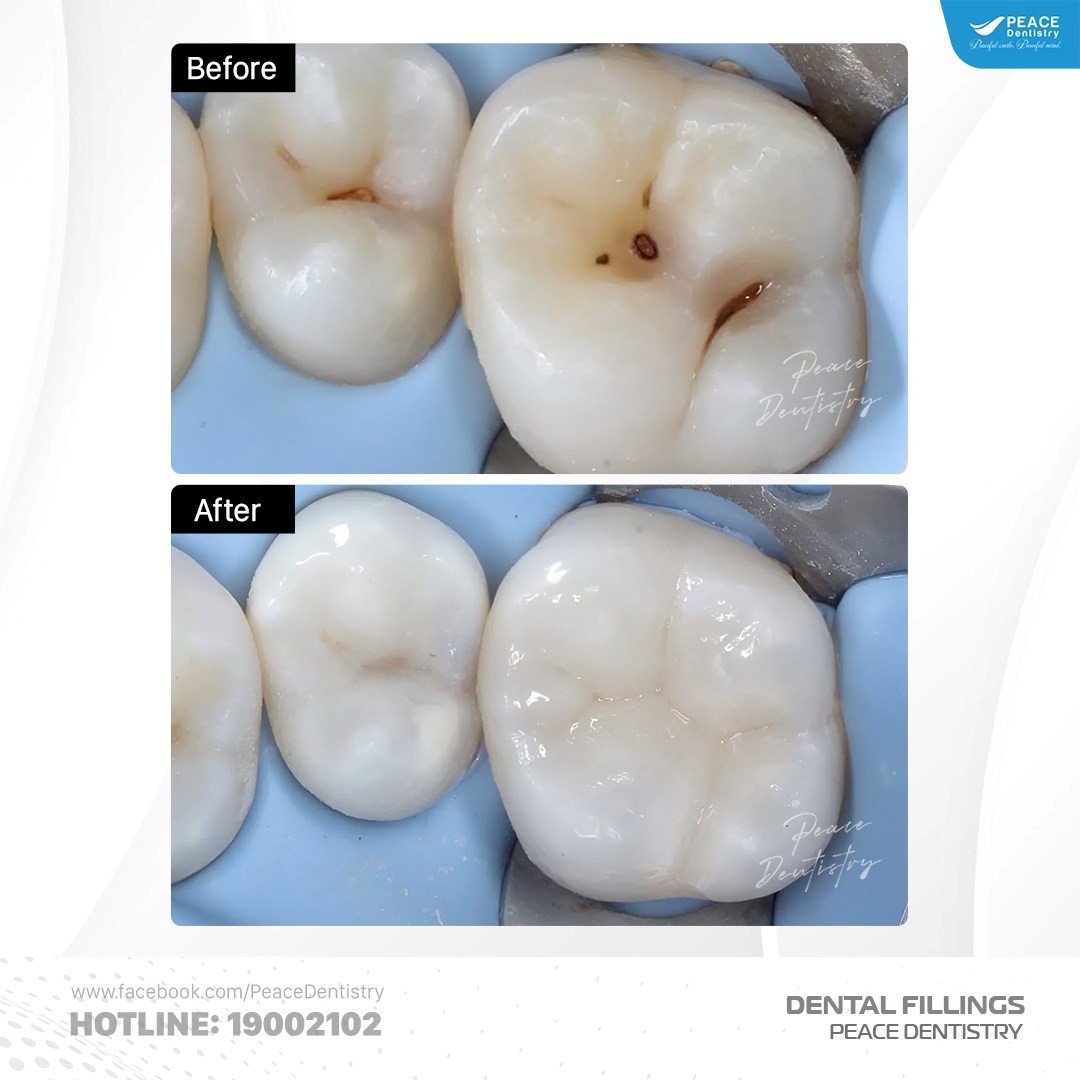
(Composite fillings are among the most popular restorative treatments today)(**)
These restorations are fabricated entirely from high quality dental porcelain.
Amalgam is a filling material composed of a mixture of metals such as mercury, silver, copper, and zinc.
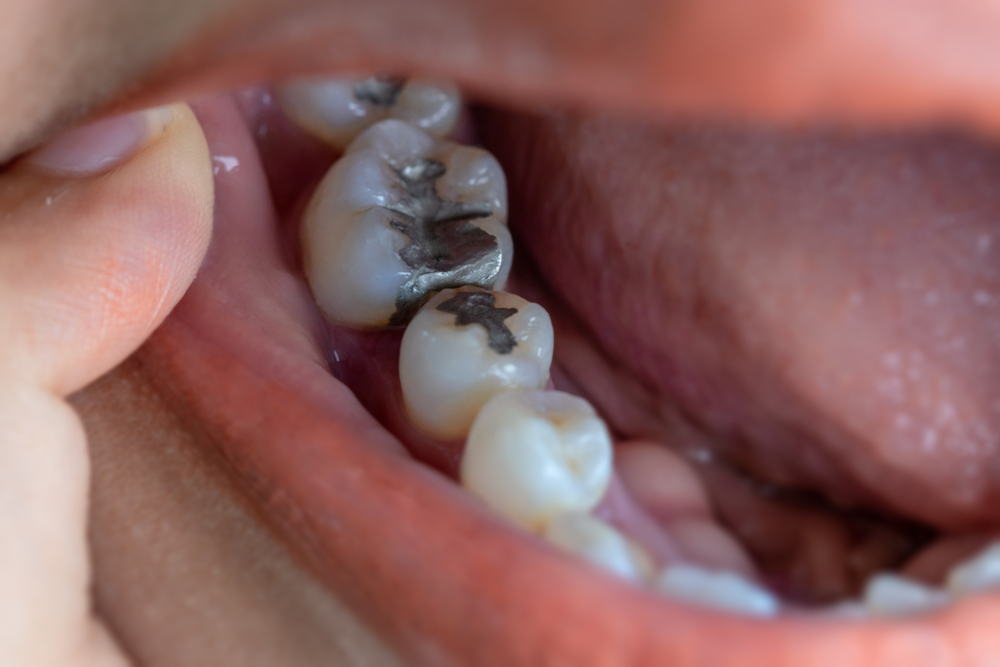
(Amalgam fillings offer excellent durability and are commonly used for molars)(**)
GIC is a filling material made from acrylic acid and fine glass powder.
SonicFill is a new generation composite filling system. Its unique feature is the use of sonic energy through a specialized handpiece, allowing the material to flow easily into the cavity during placement and rapidly harden once the sonic activation stops.
Delaying treatment can lead to several complications, including:
The longer tooth decay is left untreated, the larger the cavity becomes. Bacteria can penetrate deeper into the tooth, leading to pulp infection, dental abscesses, and even the spread of decay to neighboring teeth.
Cavities and cracks can expose the dentin layer of the tooth. As a result, consuming sweet, hot, cold, or acidic foods and beverages may cause significant discomfort, sensitivity, or pain.
Untreated tooth decay can progressively destroy the tooth structure. Once the tooth becomes severely weakened or loose and can no longer be restored, extraction may become the only treatment option.

(Pain and tooth sensitivity during eating and drinking are common consequences of postponing dental filling treatment for an extended period)(**)
Dental fillings are not only a simple restorative treatment but also provide several important benefits for oral health.
Dental fillings replace lost tooth structure and restore the tooth’s original shape. Following treatment, both aesthetics and chewing function can be significantly improved.
After removing bacteria and decayed tissue, the filling material seals the affected area, helping prevent further bacterial invasion and reducing the risk of recurrent decay.
For teeth affected by cervical abrasion, exposed dentin, or cavities, dental fillings help cover and protect sensitive areas, effectively reducing discomfort and sensitivity.
Compared with treatments such as porcelain crowns or dental implants, dental fillings are a significantly more affordable restorative solution.
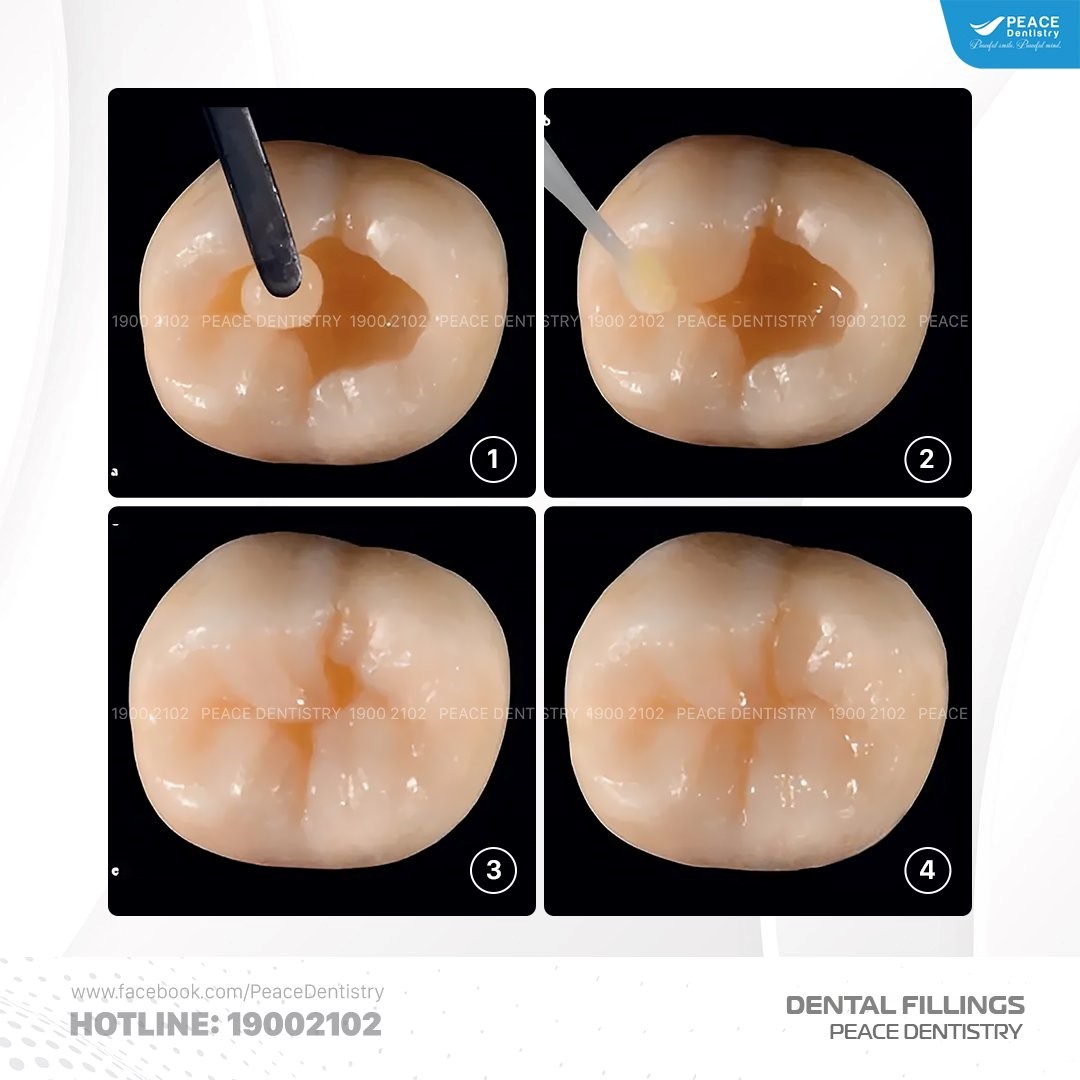
(Filling materials help restore damaged tooth structure while closely matching the appearance and function of natural teeth)(**)
At Peace Dentistry, dental filling fees typically range from 300,000 VND to 1,500,000 VND per tooth, depending on the tooth location and the filling material selected.
The cost of treatment may vary based on the following factors:
Cosmetic Fillings |
|
| Service | Listed Price (USD) |
| Fillings for decay, chipped, broken, fractured, or abraded teeth (Composite) | 11 USD - 17 USD |
| Diastema (gap) closure (Composite) | 57 USD |
| Composite veneer (facial surface filling) | 23 USD |
| Tooth gem/crystal application (procedure only) | 15 USD |
At Peace Dentistry, dental fillings are performed according to a standardized clinical protocol:
Step 1: Examination and Assessment
Step 2: Cleaning and Local Anesthesia
Step 3: Dental Filling
Step 4: Final Adjustment and Polishing
Choose a reputable dental clinic with experienced general dentists, modern equipment, and genuine restorative materials to ensure safe and effective treatment.
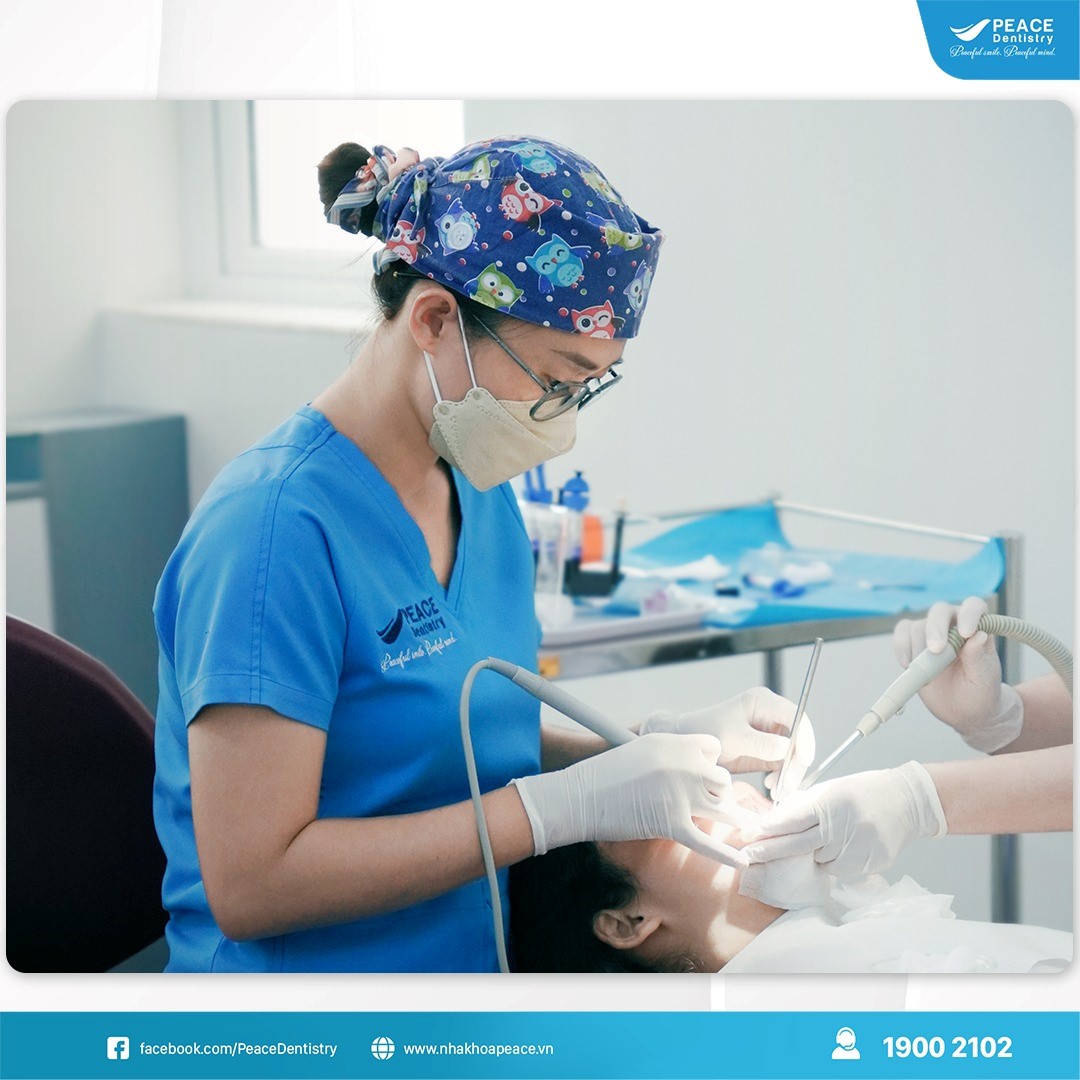
(Choosing a qualified dental clinic plays an important role in achieving safe and long lasting filling results)(**)
Brush your teeth two to three times daily using a soft bristled toothbrush. Use gentle circular or vertical brushing motions and complement your routine with dental floss and mouthwash to remove plaque and bacteria effectively.

(Proper oral care is one of the simplest ways to maximize the lifespan of a dental filling)(**)
Choosing the right dental clinic is essential for achieving safe and predictable treatment outcomes. With more than 20 years of experience, a highly qualified dental team, and advanced technology, Peace Dentistry has become a trusted destination for cosmetic dental fillings.
Peace Dentistry is home to experienced dentists and dental specialists with strong clinical expertise. Our dentists continuously participate in postgraduate education programs, professional conferences, and advanced training courses both in Vietnam and internationally.
Your treatment will be performed directly by skilled dentists who follow precise clinical protocols to minimize discomfort and achieve optimal results.
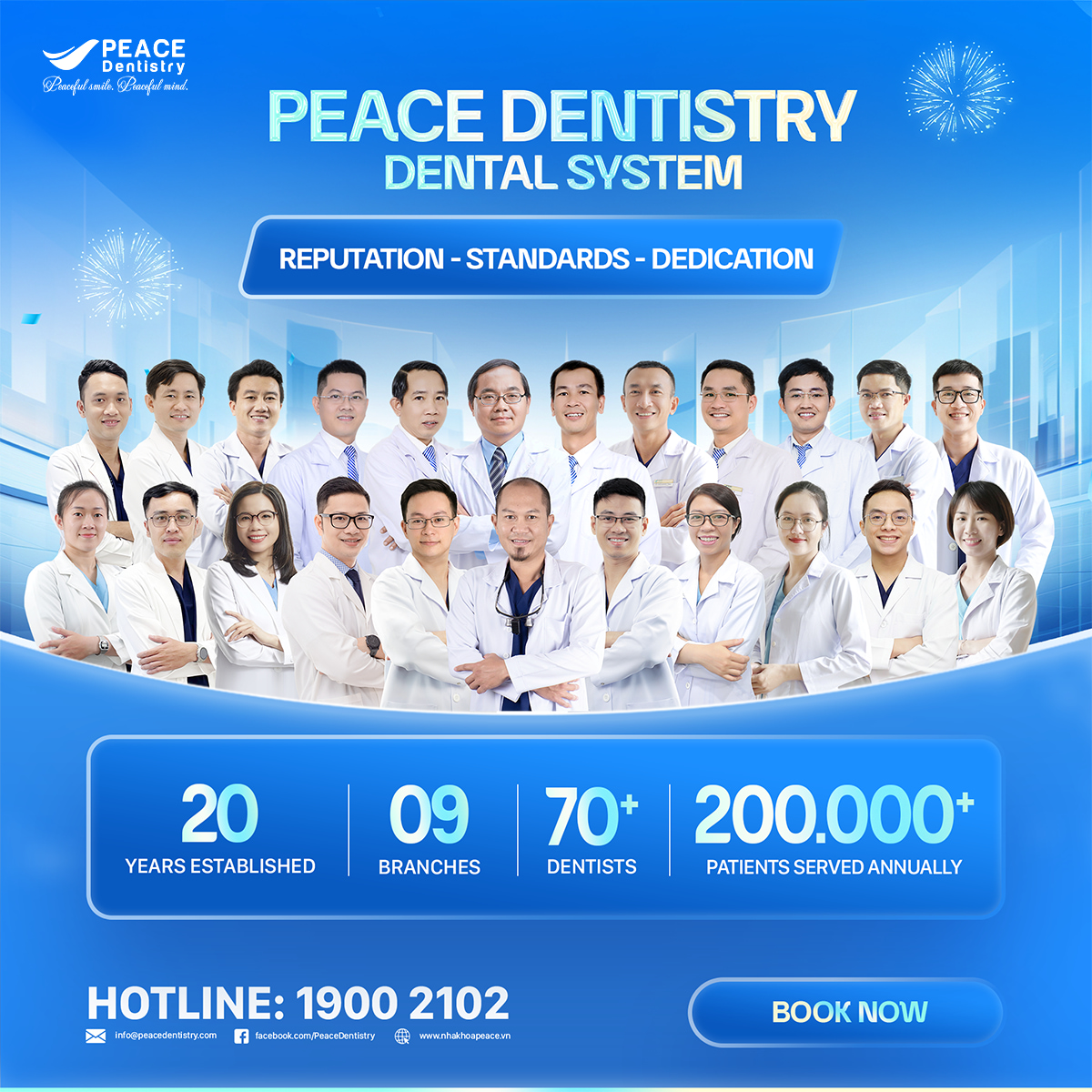
(The team of dentists and specialists at Peace Dentistry)(**)
Peace Dentistry is equipped with advanced dental technologies imported from leading international manufacturers, including Kavo Premium and Osstem dental chairs, Cone Beam CT systems, and Gendex GXDP-700 Series digital imaging systems. These technologies support accurate diagnosis and enhance treatment efficiency.
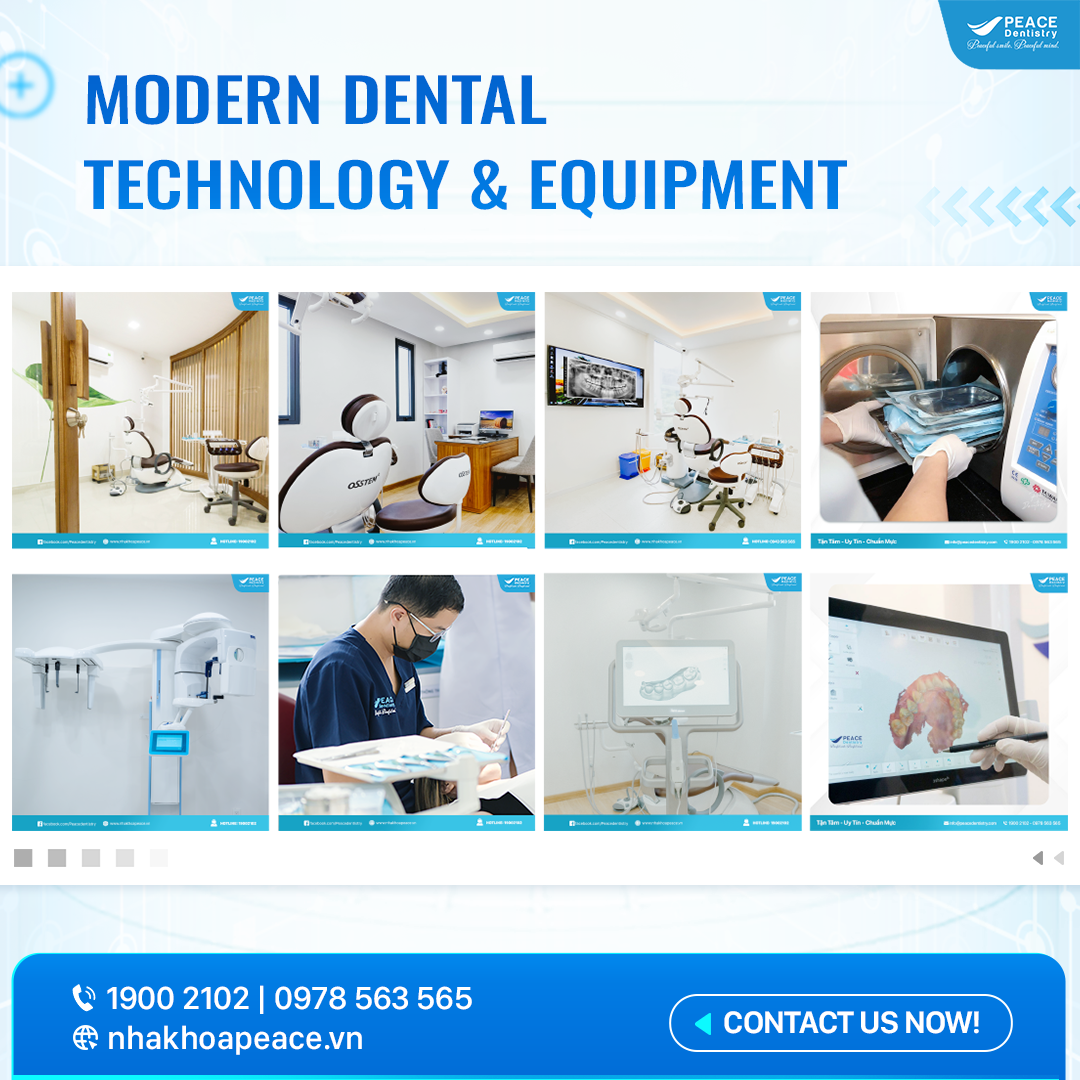
(Modern equipment and advanced dental technology at Peace Dentistry)(**)
We use high quality restorative materials, including composite, GIC, amalgam, porcelain, gold, and other precious metal restorations. All materials have clear origins and are sourced from reputable manufacturers.
Our treatment rooms and instruments are maintained under strict sterilization protocols to help prevent cross-contamination and ensure patient safety throughout the treatment process.
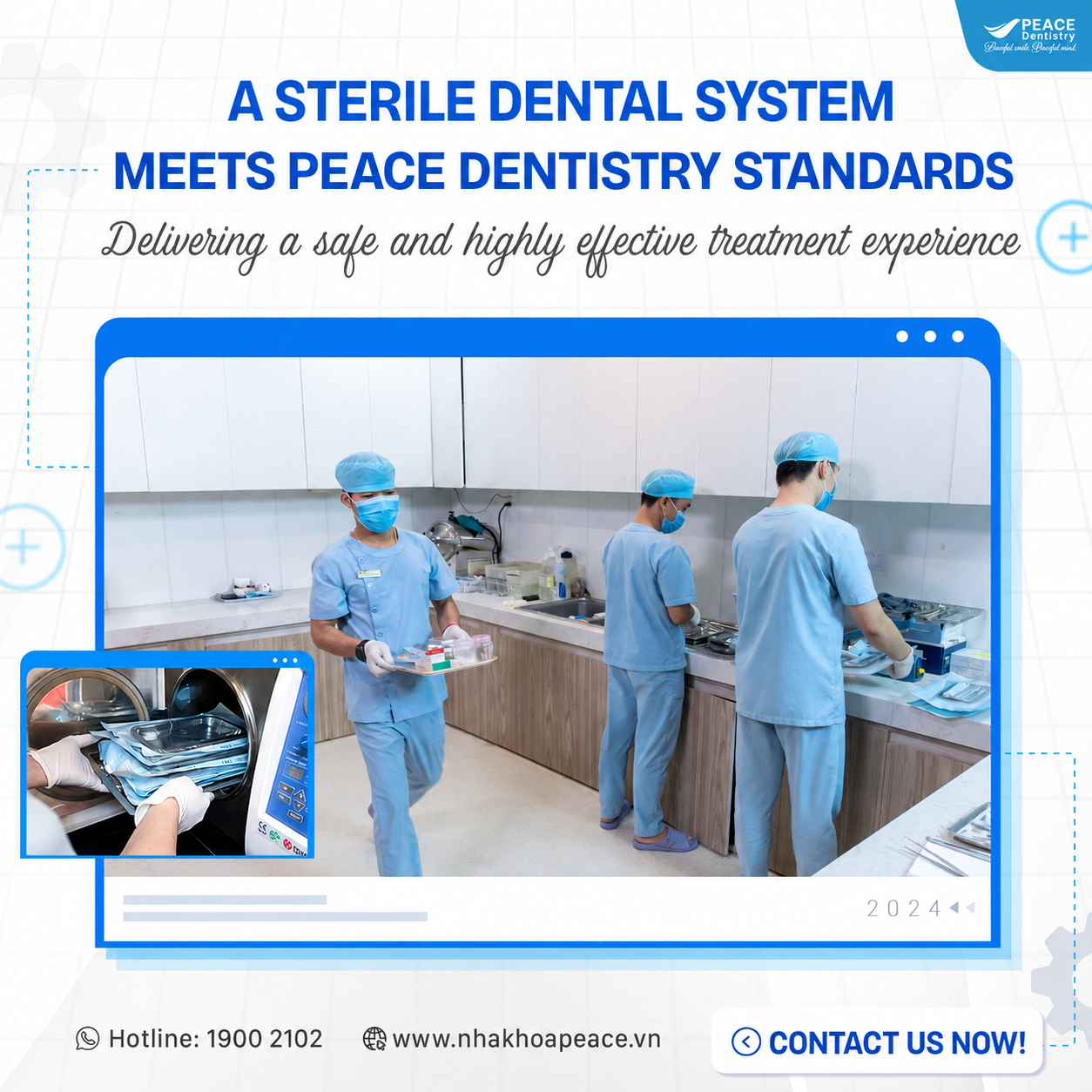
(Strict sterilization protocols are maintained to prevent cross contamination and ensure patient safety)(**)
Dental fillings are generally painless, especially when treating small cavities. For deeper decay involving pulp inflammation or dental abscesses, local anesthesia is used to ensure a comfortable treatment experience.
The longevity of a filling depends on the material used, the dentist’s technique, and your oral care habits. Most fillings last between two and ten years or longer. If a filling becomes loose, damaged, or worn over time, it may need to be replaced.
Not necessarily. Root canal treatment is only required if the pulp has become infected or severely damaged. If the pulp remains healthy, a filling alone is usually sufficient.
Untreated decay continues to progress and may lead to pulp infection, dental abscesses, loose teeth, and eventually tooth loss.
Yes. However, because the filling is still settling immediately after treatment, brushing should be performed gently to avoid unnecessary pressure on the restoration.
Yes. Dental fillings are safe and effective for children and are often an important treatment option for protecting primary and permanent teeth from further damage.
We hope this article has provided valuable information about cosmetic dental fillings. For personalized advice, please send a message to the Peace Dentistry Facebook page or call our hotline at 1900 2102. Our dentists will be happy to assist you.